
Lo Life Archive
This archive was curated by The Gates Preserve in partnership with Andrea Battleground and Jessica C. Neal.
In 1988, a group of Black and Brown youngsters made a dash for their version of the American Dream. Their stories and impact are often left out of the official narratives about 1980s New York, hip hop, and fashion -- an erasure three Black Women archivists are seeking to correct with this living collection of oral histories.
Oral Histories
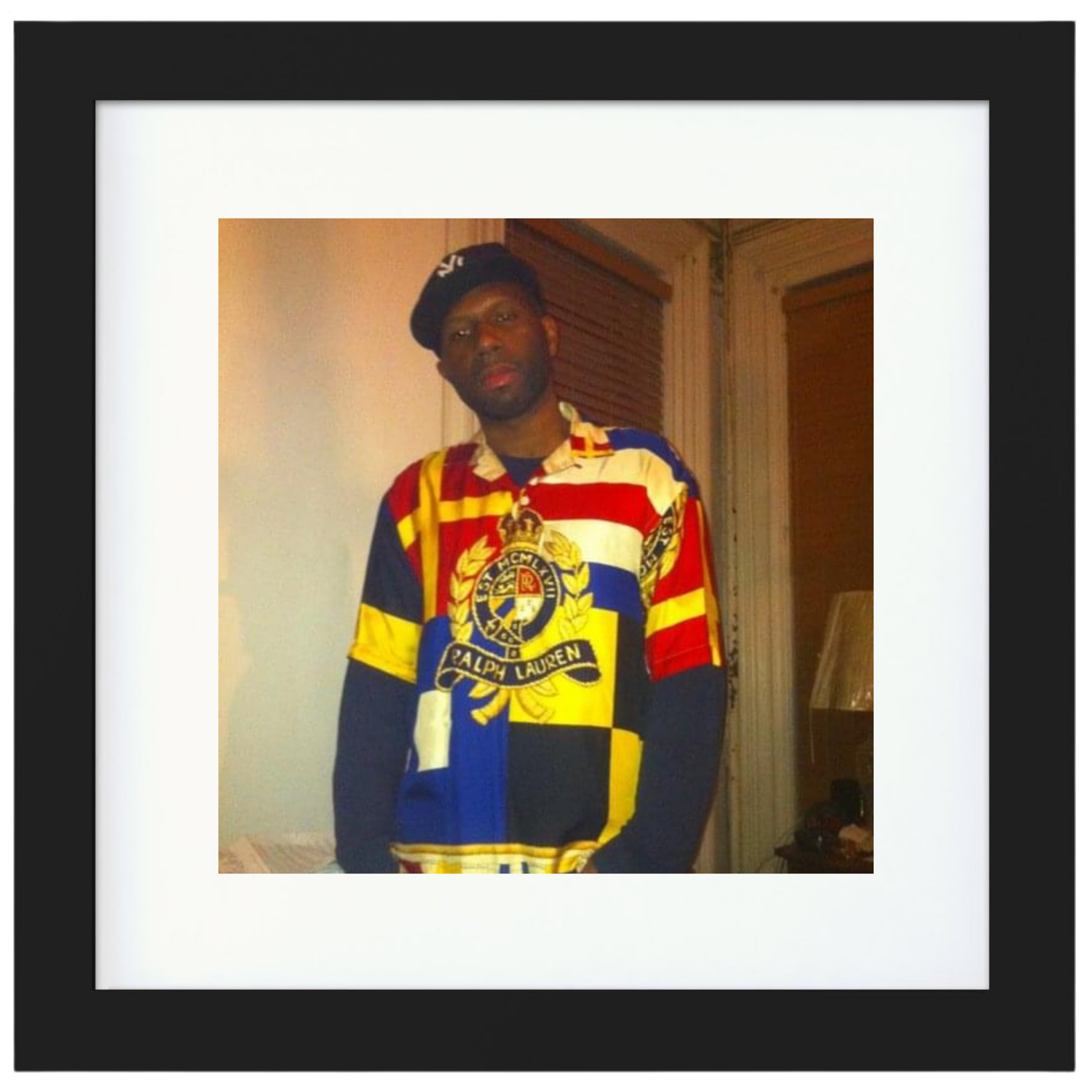
Baggs Lo
Read the interview excerpt
BL: And then I moved to Bedstuy and never moved back, right.
SG: That’s a fact.
BL: Yeah so, it was Bedstuy Do or Die after that.
SG: Then there’s you. What about Bedstuy makes you represent it in that way?
BL: You know what man, Bedstuy just turns you into something. You know, you kind of had options, right? There was just a variety of things to do in Bedstuy. You can go down any road you wanted to, pick your path. It just turned you into a , I can’t say it turned you into a man because we were still little kids, doing little kid things, right. But it made you grow up a lot faster because you had to be aware of your surroundings. We grew up in an era when there were a lot of variables.
SG: Yeah, just for context we’ve gone down the yellow brick road with these interviews. So, you don’t gotta keep it cute. We’ve spoken about niggas running up in the spot. Cats getting into shit downtown. We’ve done all that.
BL: Oh, so it aint PG? It’s aint PG.
SG: Nah, Nah! It ain’t PG. You can go ahead
BL: Ok, so it was the devils hop yard at one point. We was swimming in crack. As soon as you went outside you just saw everything that was going on in the neighborhood. As a child we didn’t realize that these were not normal things to see for a childs eyes. You know what I mean. You see all these things going on in your environment and you think it’s normal. Like, I literally, when we moved to Bedstuy, we moved from an apartment in Flatbush to a brownstone in Bedstuy, right. Now, this is 1988 I want to say, and that brownstone at the time cost $28,000 you know what I mean? No, I’m wrong, my fault, $29,000, right. And, it was a crack house before we moved in there. I didn’t know these things when I moved in there though. You know I was a child. The house next to it was a crack house and was a crack house up until 8 or 9 years ago. You know what I mean. My whole life I grew up next door to a crack house, and that was normal. You know we knew the people who lived there. We go outside we see fiends, you see people just running up and down doing craziness. House getting broken into. I never knew my mother used to stay up at the front door, with a, what she say with a machete in her hand waiting for somebody to come. So, I’m like yall was ready. That’s crazy like to think that that’s what they had to do to keep us safe. Like I said, at that time I didn’t have a conscience. I was going crazy. It was an addictive thing, especially before you got caught.
TAGS
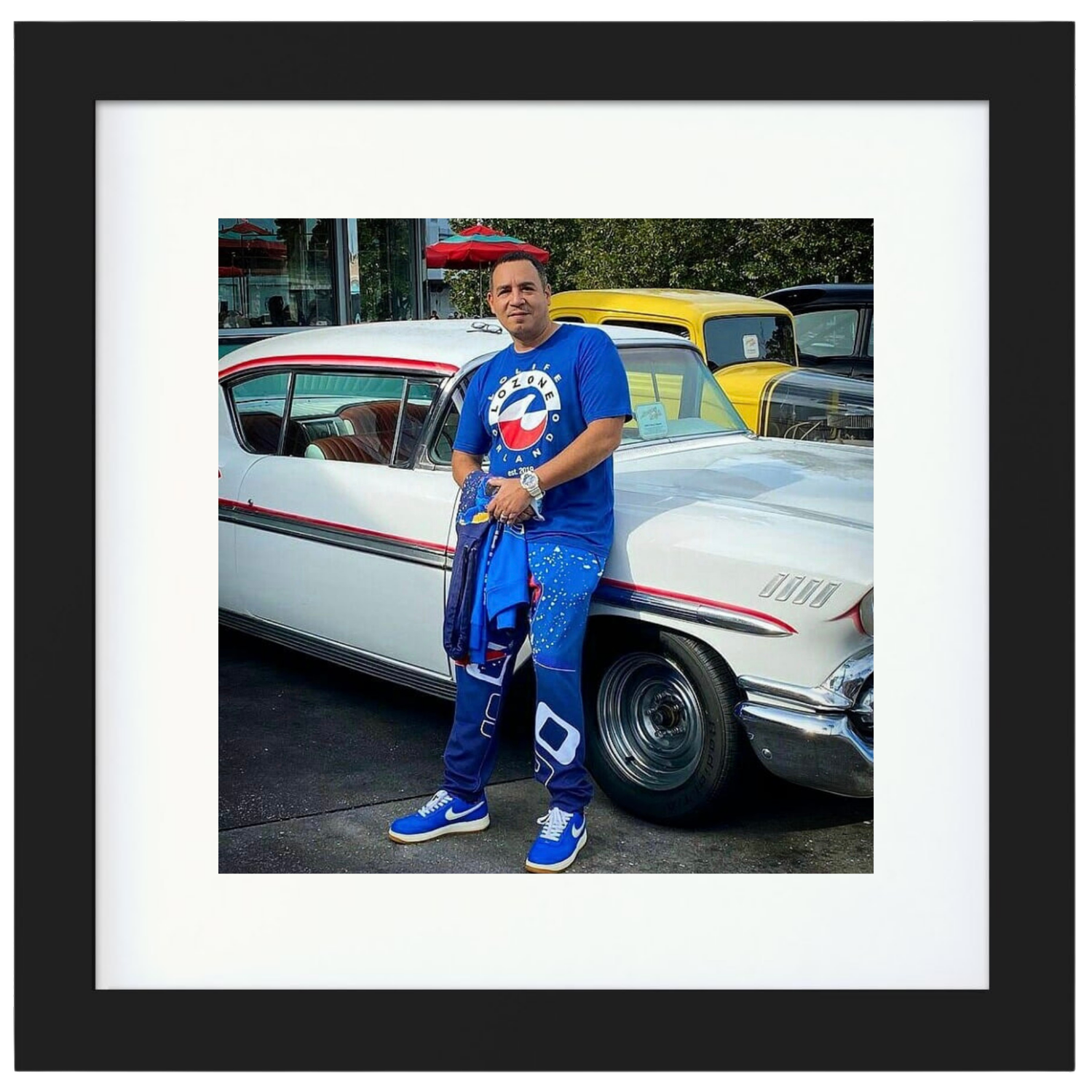
Big Earl
Read the interview excerpt
BE: Let me tell you those were some amazing times. You know we was real poor. But we really didn’t even know we was poor. We were so rich in the heart. The way we was living. We always made something out of nothing. That’s just how we were brought up. At my house, you know I lived with my grandparents, I was an only child. So, were kind of on a fixed income, you know? So, we learned to stretch the dollar out. To be conservative. To be happy with whatever we had, you know. But, at the same time, my grandparents taught me how to make something out of nothing. So, at that time, in the neighborhood the landlords were actually burning down all the buildings.
JCN: Wow, intentionally?
BE: Yeah. Yeah they were burning down the buildings to collect insurance money.
JCN: Okay.
BE: You know they felt like majority of the people in those neighborhoods were Puerto Rican or African American. They just felt like the Bronx at one time, used to be pretty much, I’m going to say a lot of Irish people. There were Italian people. And then slowly and surely as Hispanics started making their way to the Bronx, as they were coming from Puerto Rico. One of the reasons the Puerto Rican people were actually moving to the Bronx and Brooklyn too was because there were so many warehouses out there. They used to hire the Spanish people whether they spoke English or Spanish. They were just more like okay, they’re doing the jobs. They’re becoming the seamstresses, the janitors, and the maintenance people. You know, but only the Bronx was actually hiring everybody, so that’s how we ended up there at that time. But back to the landlords burning down the buildings down, you know, we used to actually build social clubs and play hiding go seek in these abandoned buildings. We probably had some of like the best times as if we were playing in an amusement park and we were just playing in an abandoned building. That’s just to go back and tell you how we were rich at heart, because we didn’t see, like wow. We didn’t pick up on like, what’s going on? Who is burning these buildings down and why are they being burned down? We used to get excited to see a fire truck come and park in the neighborhood. You’d see all the kids, you know, climbing on the truck like it was a circus or something you know? That kind of helped us build something different and try to find an outlet.
TAGS
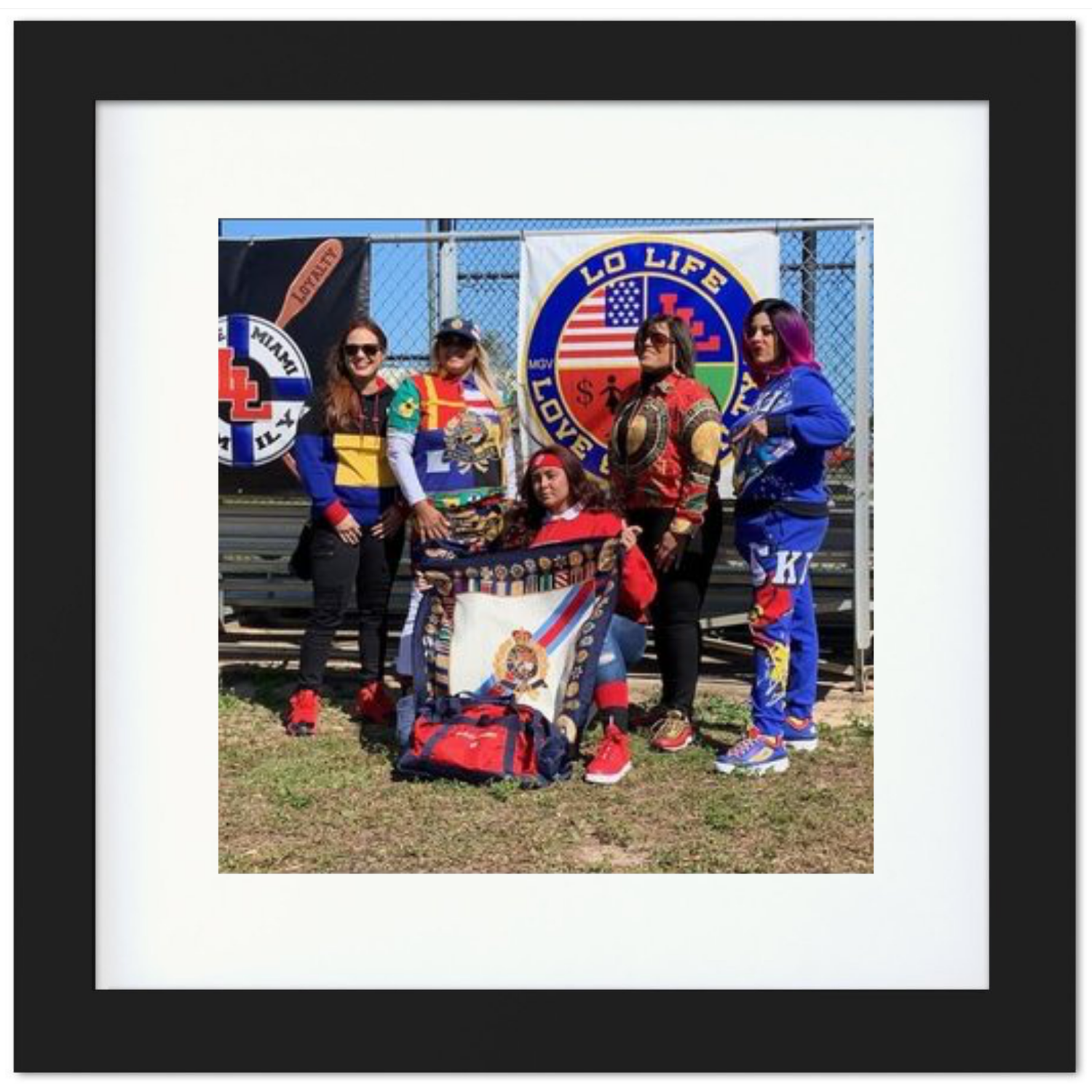
Bitchy McGee
Read the interview excerpt
“I think the love and loyalty has a lot to do with it. I feel like, you know, people are embracing each other. I think us as human beings that’s what we look for. We look for some type of connection. And especially a lot of the people that are involved in the movement are people who you know struggled or are from communities that really had no outlet. So, everyone embraces each other and they feel at home. For me that’s what I feel.”
TAGS
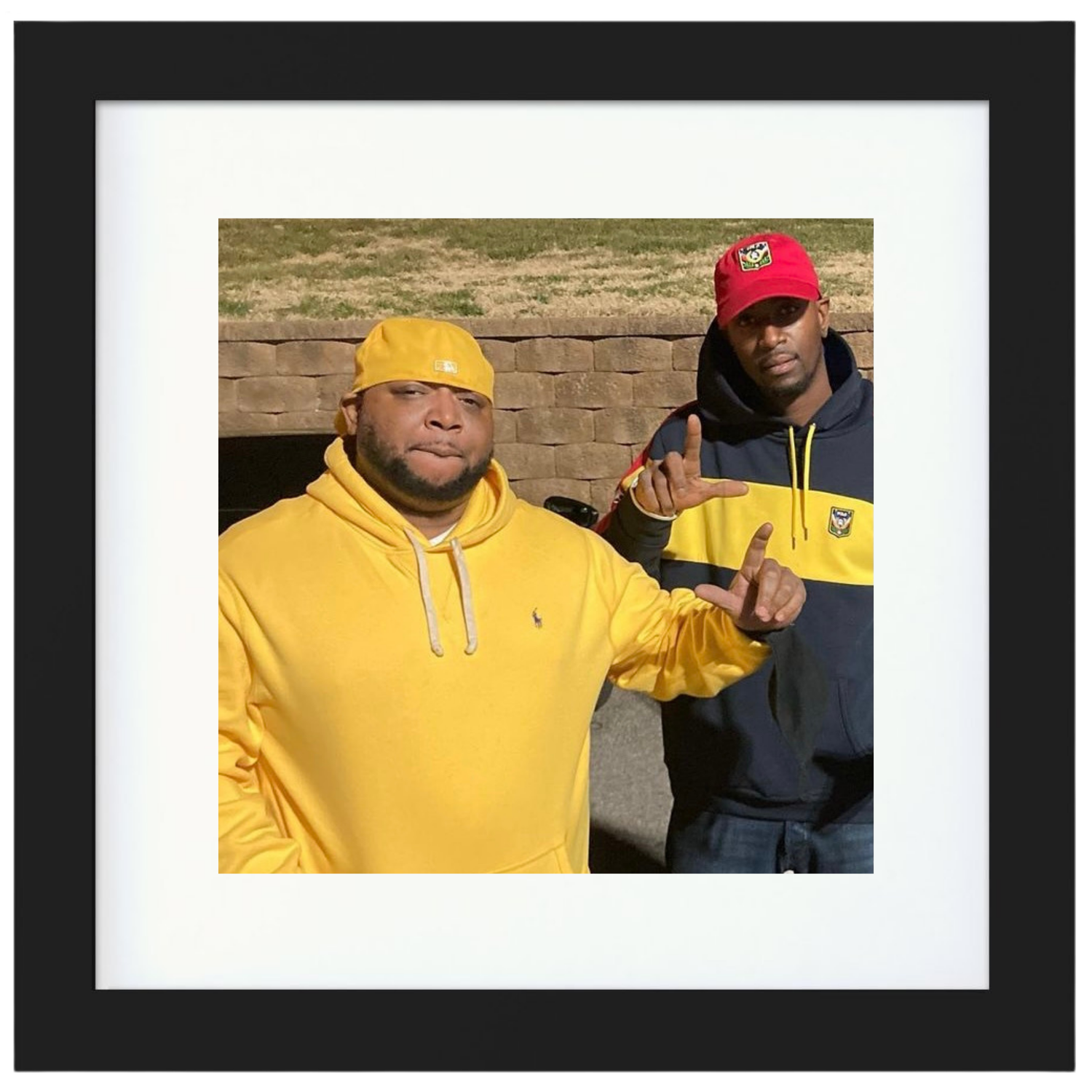
Busy Lo & Billy Lo
Read the interview excerpt
“I had a Volkswagen Beetle back in '88. I used to pull up on em all the time because I'm from Hancock, between Ralph and Patchen (ave). Born and raised. Got into the culture in high school. My first year in high school I was wearing Calvin Klein. I didn't know nothing about Ralph Lauren. After about 6-8 months in, I joined the gang, and I went on a meeha. Meeha means you're going to work in basically. For you to be official, you would have to do your one-two. You would have to definitely go in there and represent. So, um, I represent and my first one was Bloomingdales, and I got caught that day. Haha, yeah I got caught. I ran out of Bloomingdales with a half a mannequin of Nautical. Fully dressed mannequin. I stripped the mannequin in the train station and the police came and chased us out the train station. I ran up out of the train station, the rest of them was on the train. So, I saw that and ran up out of the train station. [I] ran 10 blocks trying to make it toward Central Park. I was trying to cut through Central Park to get to the A train, and the next thing I know, some bees jumped out on me and tackled me ,and I got caught that day.”
TAGS
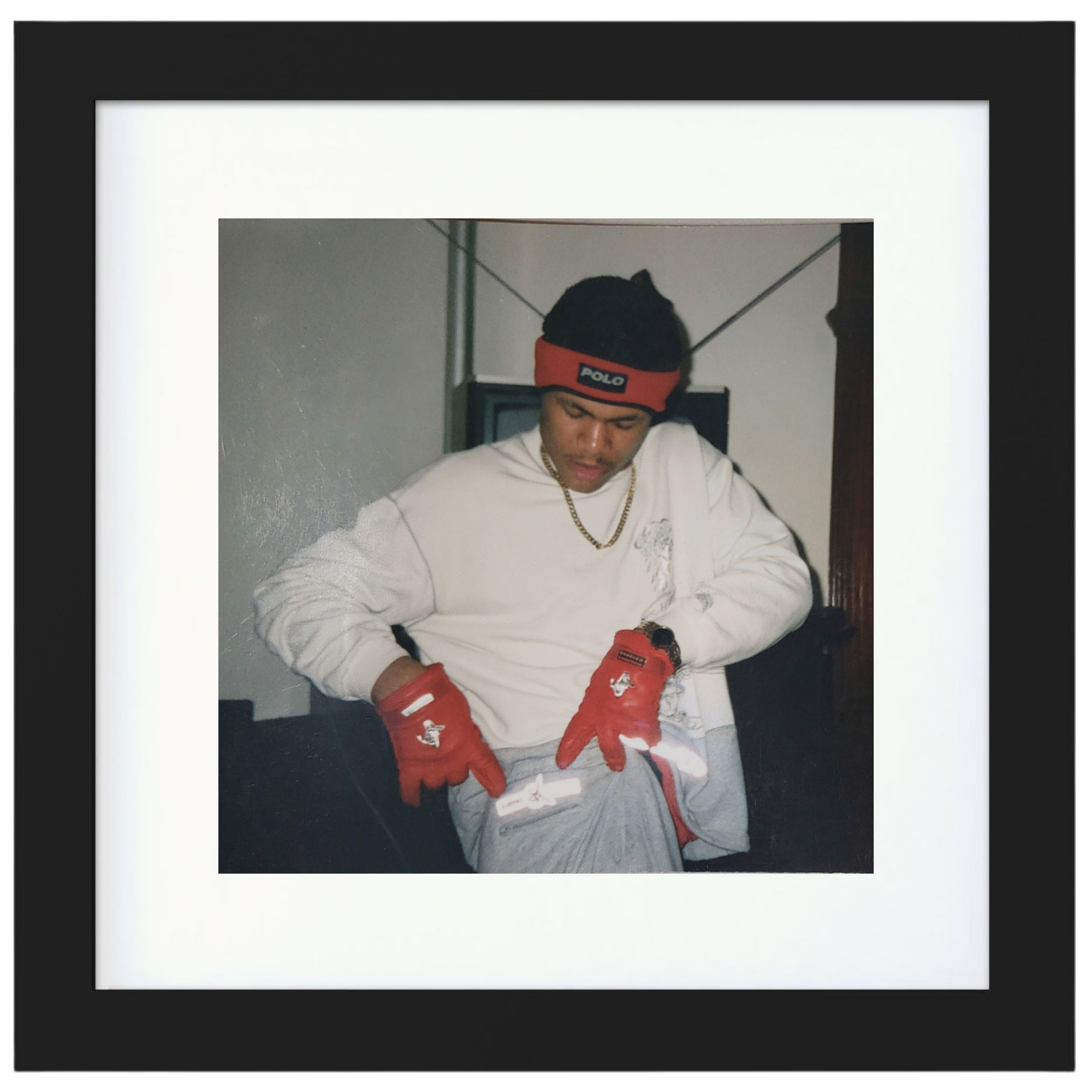
Divine Bradley
Read the interview excerpt
“I came to the states when I was months old, so my Ellis Island was Crown Heights, corner of Franklin and Eastland Parkway. It was there, where I would say I was introduced to the Ralph Lauren design. The reason I say Ralph Lauren design was because a lot of my uncles and cousins, like our families wanted to put us in the Gaps and the Benettons and the brands of the 80s. I didn’t really know what Polo was because when cats was wearing it I just could identify with the colors, the patterns, you know what I mean. And, overtime some of the younger cats in the neighborhood would rock some of the brighter colors. As I got older I started put two and two together. I’m like yo, why is that number 67 keep popping up? Or, why those primary colors on the shirts that way? Or why letters look the way they look? It was like wearing like nintendo on your garments. You know what I mean. The same images of the 80s was now like all over the gear. So, and I would say that I also got my first stash from my uncle, you know. My uncle had a lot of Lo. He was a get money cat, but he was also a booster. And when he got jammed up he left behind like trash bags, trash bags of Lo.”
TAGS
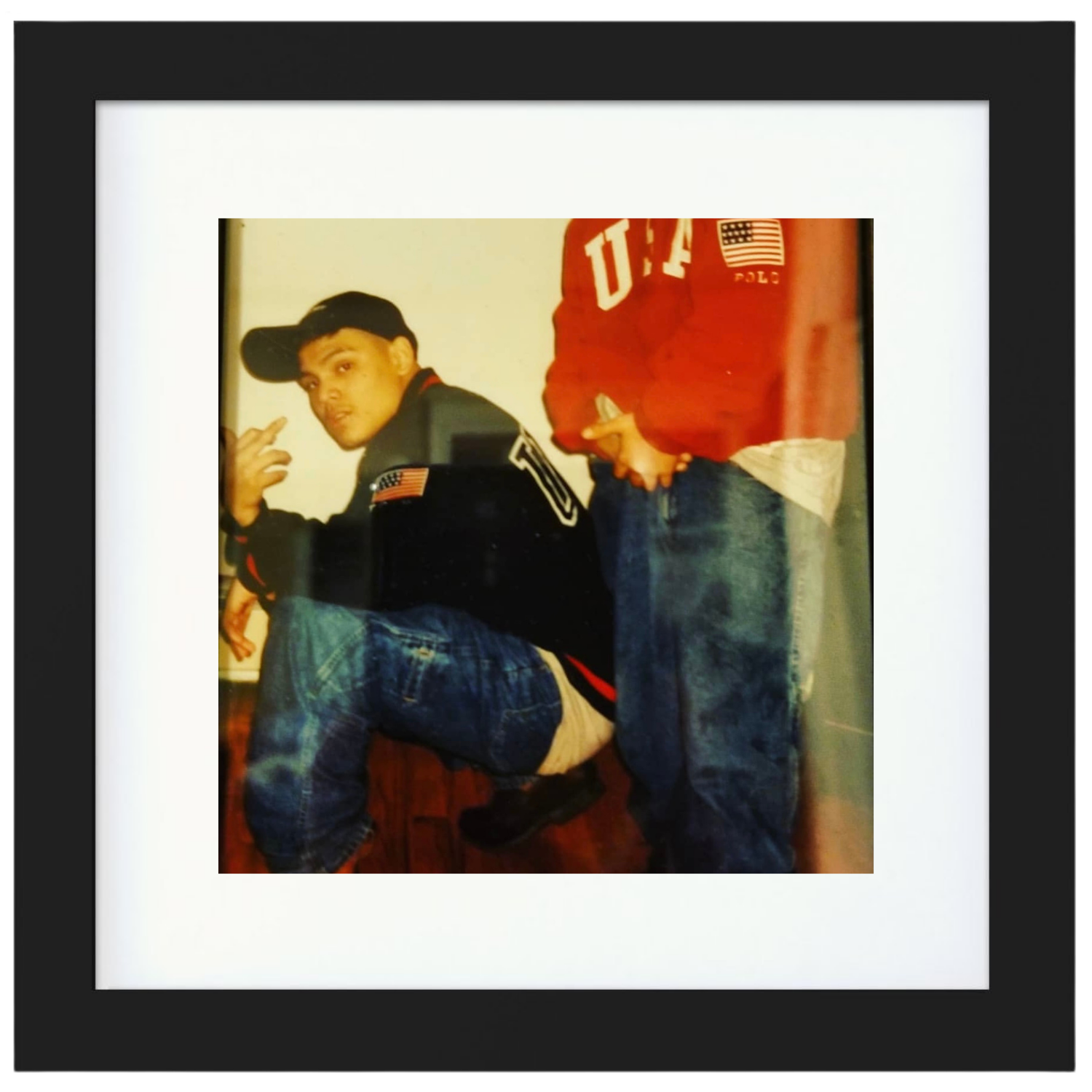
Ghost
Read the interview excerpt
“I believe 9th or 10th grade, I was about 13 and I seen a cookie piece, and I liked it. I mean, I didn’t know where they got it from. Everything was word of mouth. You know my peers, was like you know everybody was rocking Starters, Jordans, and then little by little, when I transitioned into my high school which was Bryant, everybody there was wearing Polo. And this is right here in Woodside, maybe like 10 blocks from where I’m located at. So, into that, back then parents used to be happy, you know school is about to start. I'm going to take my child and buy him some clothes. So, they took me to Reading Outlets, and there I saw a mess of things. Like, cookie boots, sitdowns, skibands, all the 2000s, and I was like wow what is this? And from that point on you know, I knew what I liked. I knew what the appeal was and I started attaining it. And as time progressed, you know, I was heavy into Hip-Hop, whether it was Ziggy, KRS-1, Grand Puba, all these rappers that included Ralph Lauren accessories or Polo. They just looked fly and I’m like ok, I liked it. So, the more time passes of either going to school or hanging in the streets just burning a L just chilling out with my peers, it just looked fly. So, from that point on, I guess from junior high school to high school is when I was heavily introduced to rocking Polo.”
TAGS
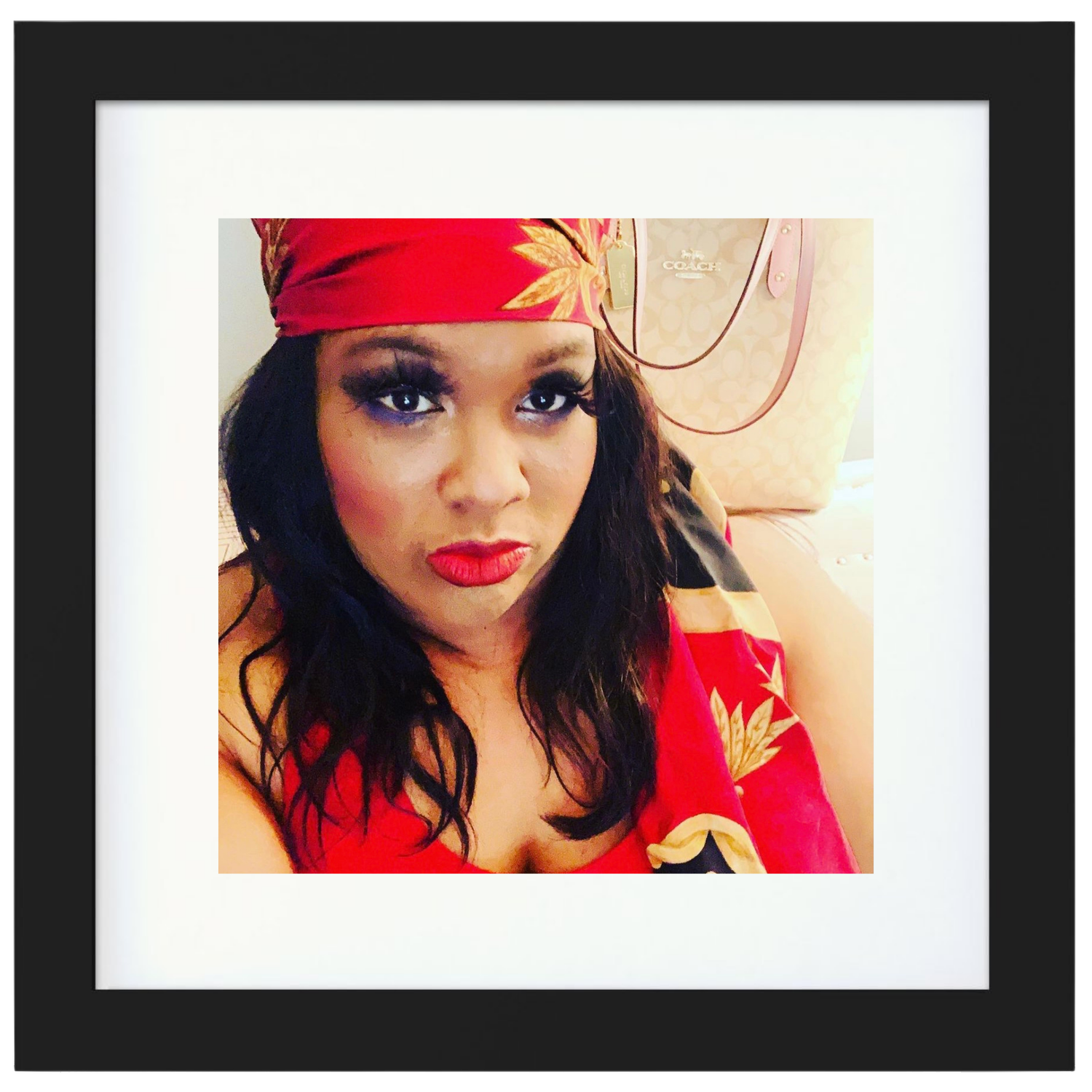
Indigo Phoenyx
Read the interview excerpt
“Cuz it was like, we was just literally wanting to be fly. Like, literally trying to you know, keep that freshness. Dudes was wearing, I can remember the crew used to wear some bugged out stuff. Cuz when you take stuff, you just randomly getting stuff. So dudes would have the ski pants, with the 1920s swimsuit. And you know the 1920s swimsuit was like the one piece with the cut off at the knee like shorts. So, they would have that on, with the ski jacket, with the goggles, and that would be an outfit. That’s an outfit [laughter]. So it’s crazy to see it go from that. Some of the clothes that’s being worn now, is the clothes that was being worn then. So, the clothing hasn’t changed so much, because you know we still pushing that culture and it’s still fly. But the level of respect for the LoLifes is different now, because people have branched out and made brands. They have branched out and really built business off of that brand. I can honestly say this, it’s a kuddo to have Ralph Lauren himself know that you’ve been stealing his stuff [laughter] and here he is commending you for pushing that culture forward. Because now we are purchasing these things, we are creating from that, and we are building off of that as far as building our on brands, our own merch, and our own things from there. So, that’s what evolves. Also, to go as far as worldwide, is phenomenal. I would never think that the guys boostin out the store would come to this level of, like Thirst being in a Ralph Lauren ad. You know, the equestrian shoot, and that’s amazing to see that level. To actually see that Ralph Lauren himself, gives a nod and respects the culture, the subculture that is created from his brand. So, you know it definitely has evolved a lot and to see the different chapters come together for shoots, for events. Coming together for philanthropic activities as well. It’s beautiful to see that and I would never thought I would see that transition. So, it's evolved. But, you have to say we were young, now we have evolved into adults. As we evolved, of course the culture evolves, because we took it along with us. I see the next generation coming up that will carry that on. So, I see this being a very thriving legacy for the LoLifes.”
TAGS
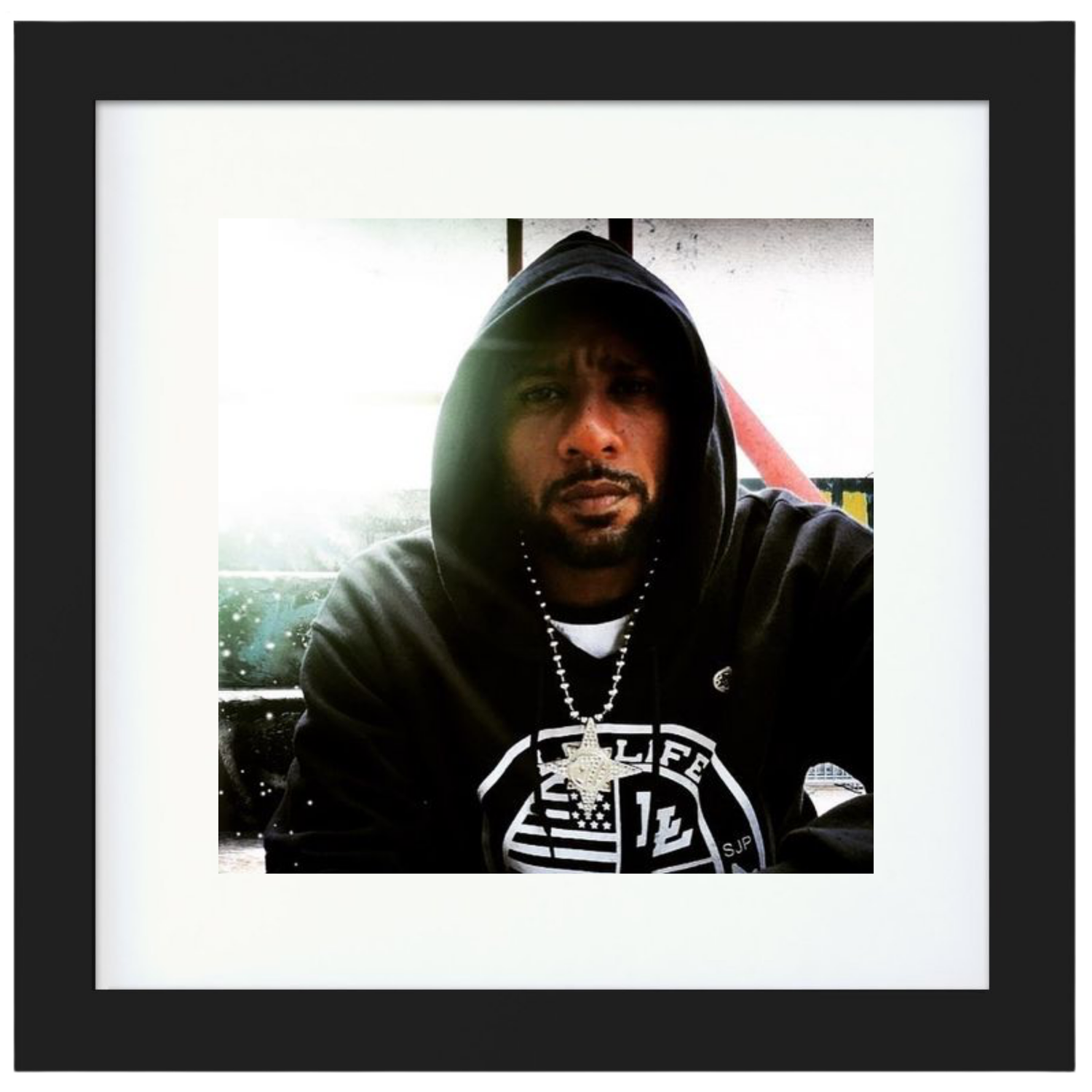
Luey IV
Read the interview excerpt
“Being a LoLife to me individually is, um, being a brother, a friend, a teacher, an example. Especially coming from a righteous perspective, you know. For me, I feel like we’re the example. So, for me it’s a way to, it’s a certain responsibility to show those that are watching me, or that are looking at what I’m doing or how I’m moving. Not only am I fly or dressing nice, also the message that comes with it you know? I use this platform to spread the truth at the same time. You know, so, for me it’s another way of bringing a certain consciousness and information that people are not familiar with and bringing it to them, you know.”
TAGS
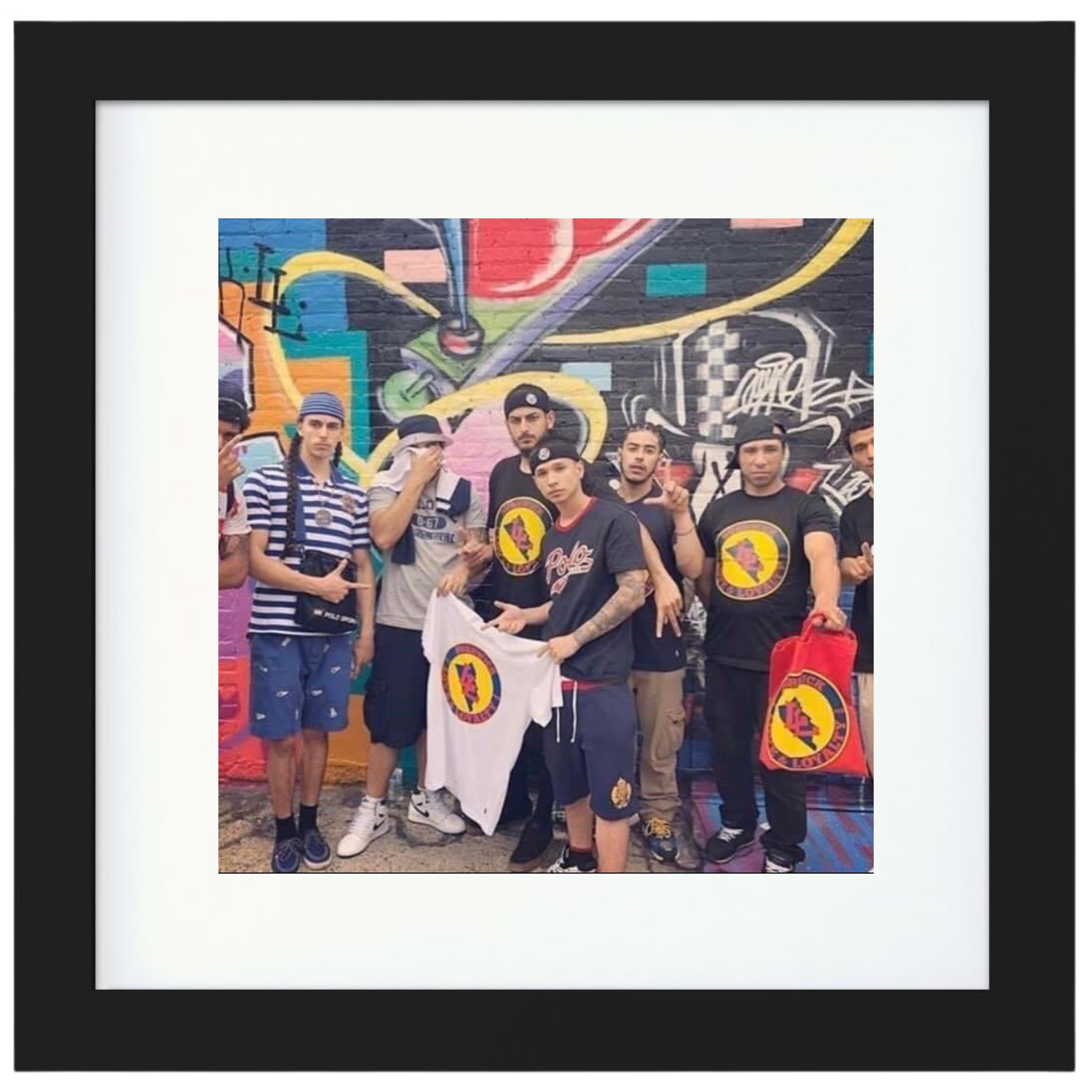
Malik Madera AKA MILK
Read the interview excerpt
Milk: I end up becoming a LoLife in early or like late ‘96 during that time , when you know, a lot of LoLifes originated from Brownsville or Crown Heights. But Bushwick has its own history. There’s a lot of history that comes out of Bushwick. Especially for um, not just like clothing, but really more for the arts scene. Bushwick has a lot of history on it. So, growing up, like I always, I didn’t really see too many LoLifes that was going in Bushwick, but there used to be a lot of friends of mine that rocked a lot of Polo. But, there was no one to really certified to say there were LoLifes. So, as time went on you know I built with a lot of the founders of the LoLifes, and I felt like I wanted to add on to the culture. So, what I did was I grabbed a friend of mine, shout out to IR salute him. We were the only two really graffiti writers that had a crew that was all based graf that all rocked Polo. Which, I felt like in LoLifes they didn’t really have a lot of. Because there are a lot of Polo crews, but beside them wearing clothes, there’s not really nothing else that they are. With us, we were like even if we stop rocking Polo, we’re still graf writers and b-boys. So like we played a big part in the culture of the sub-culture of Hip-Hop to LoLifes. There’s an event they have every year, it’s the Bushwick Collective, shout out to Joe from Bushwick Collective. They do like an annual block party where a lot of people come from all over to do murals. Sort of like Art Basel in Miami.
JCN: Right, right.
Milk: So, they considered it like the Art Basel of New York during this time. So, for years, me and my crew, which my crew is PPK (Polo Posse Kamikazee, Painting Peoples Korners, and um Polo Posse Kids). My friend, IR my partner, and his crew is PCU (Polo Crushing Unit, Painting Can’t Control Us). So, we were the only two crews that were just like so much into like graf and Polo. So, what I did was the same format of what the founders did. You know they took Marcus Garvey Village and St. John’s Place and they formed LoLifes. So, what I did was the same thing. I took the two biggest graffiti crews in Bushwick and I formed it, and that’s how I ended up, we ended up becoming Bushwick LoLifes.
TAGS
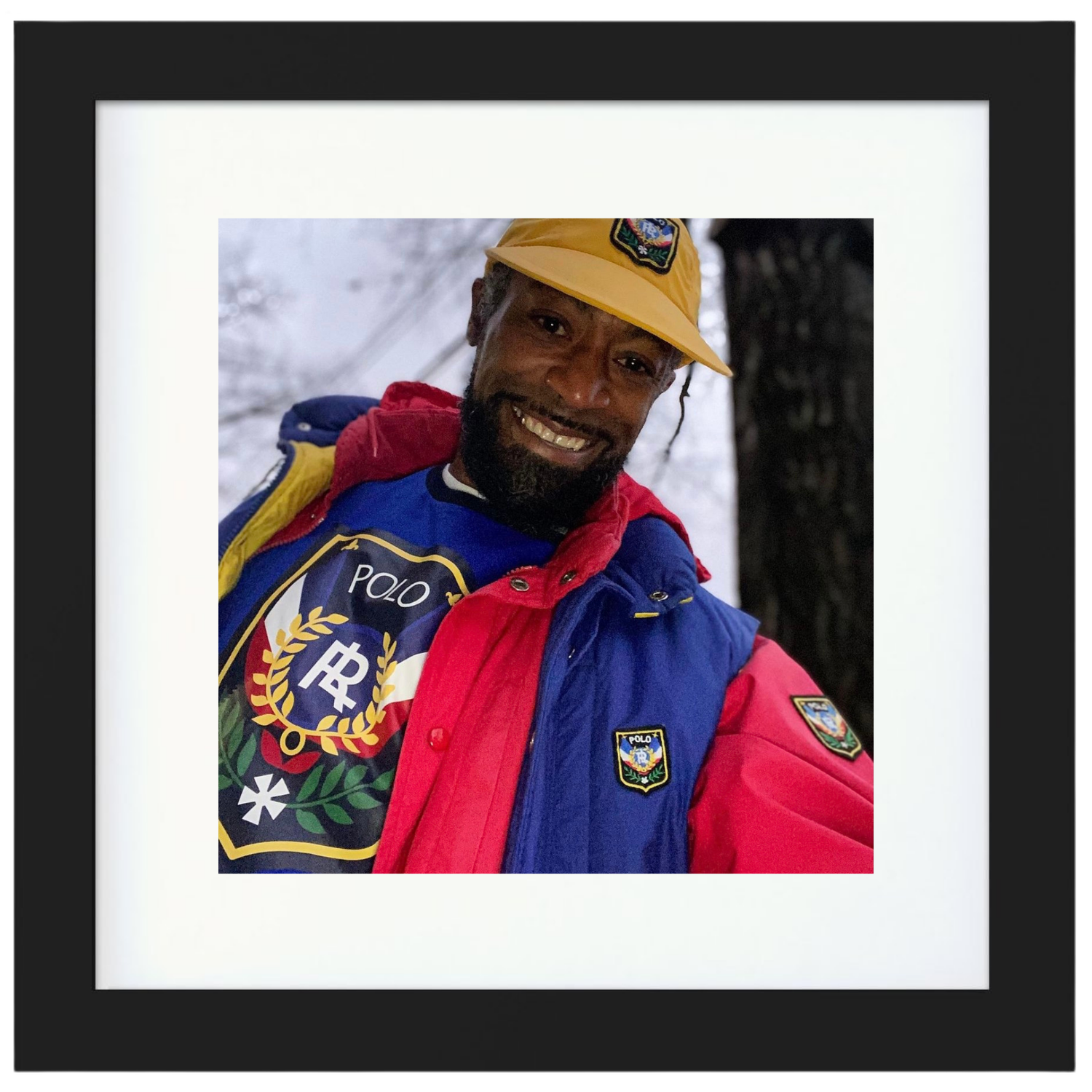
Prance Lo
Read the interview excerpt
PranceLo: My LoLife banner, I raise my L’s as proudly as I raise my last name. I hold anything close to me to my heart. You know what I mean? That’s how I moved within Hip-Hop, within the LoLife culture, and within my day to day 9-5 now as a big man. I try to move by example.
JCN: Definitely. So, placing yourself there in Flatbush. You have this Trinidadian background. How do you build community with the folks around you? I’ve heard you talk about the Church Ave boys and rocking with them. Where do you place yourself in what’s going on in the neighborhood?
PranceLo: Well, in the neighborhood now, I place myself with friends and family. You know what I mean. I know even though my friends is maybe on the wrong side of the tracks or whatever, once a year during the Labor Day time, I would have a party. The Yardy Party, the Prance-Lo Yardy Party. Which I have with some of my good friends that I grew up with, that took me off the block. You know what I mean. Cuz when I moved on the block I met some of my peoples, that’s my CAB, my Church Ave Boys. I went to school in Manhattan, they went to school in all the schools in the vicinity like Catholic and public schools. So, they knew more of the, they had more of the friends and peers around the way. So, when I came out from after school coming from the city, it’s about 5, 6 oclock. By the time I’m out, these dudes ready to go in for supper. But, I already had time hanging with my friends in the city in Washington Square Park. Down in the Greenwich village area, running havoc with my friends of my schooling, and then when I come on the weekend I can hang with my friends from the block, and hang with their friends. So, I had the best of both worlds on the bridge. You know that stigma, Manhattan dudes aint mess with Brooklyn dudes, and vice-versa. Manhattan keep on making it and Brooklyn keep on taking it? So, that phrase was a stigma in peoples mind. Like, nah nah nah I aint messing with that. Like, oh, like a girl go check a dude in Brooklyn, “like, oh you better be safe out there, you know them Brooklyn heads.” So, it was always that stigma. “Watch yourself out there with them Harlem dudes, I know it’s about money, but you know you gotta watch yourself, they don’t like Brooklyn dudes.” That type of thing. You know you my sister, it was always that thing. But I always was like, I never seen that. I always had the love of both sides.
TAGS
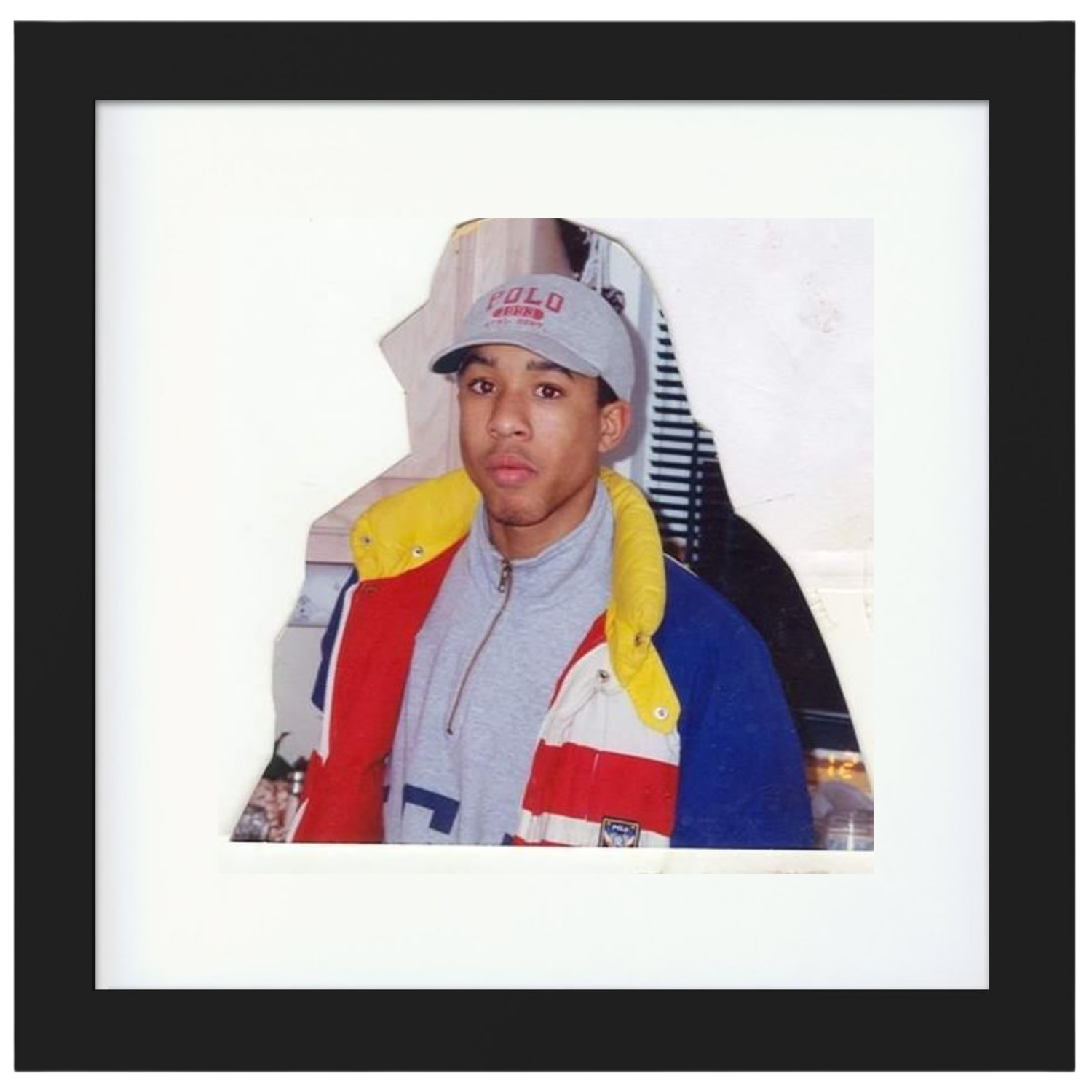
Sudan
Read the interview excerpt
“You know, we was from the hood, we was poor. You know what I’m saying. Whatever, we didn’t have it. I say the whole thing was, it was just, back then Lo was real expensive. Lo was expensive. Like a sweater like this, the Sportsman joint, these was like 3 or $400, $500 in the store. Like I look at Lo, cuz I looked at Lo from then until now, like even the new retro stuff is kind of expensive. It’s like half the price of what Lo was back in those days. You know what I mean. So, it was like aiight. We couldn’t afford it. So, it was just the whole nostalgia, of having a $500 shirt, going to the hood with a $500 shirt on. You know what I’m saying. Yeah, that was really just the thing. And that’s what we used to say about, say if you did have money, and you was a Lohead and you bought your Lo. You wasn’t official. Like, we wasn’t, know what I mean, like jacking it. If you like, say, like I said, say you was in school, say you had money and you just bought Lo to buy Lo and you didn’t boost, we wasn’t rocking with you. We wasn’t, like even if you had it, we wasn’t considering you an official dude. You know what I mean. Cuz if you didn't go out there and steal and you wasn’t nice...it was really like a sport. Like, the whole boostin thing, know what I’m saying, was like a sport. We used to look up to dudes that had a, that would come out the store with 10 shirts or something like that. Like I said, I got my stripes, I’d tell dudes I’m about to go get that, and then come back to school with it. Dudes was like “oh shit, you really went and got it.” So, it was like a whole big thing that I had the heart to go by myself and come back with it. So, like I said, it was a sport thing. That’s how dudes got their names up, like nah such and such.”
TAGS
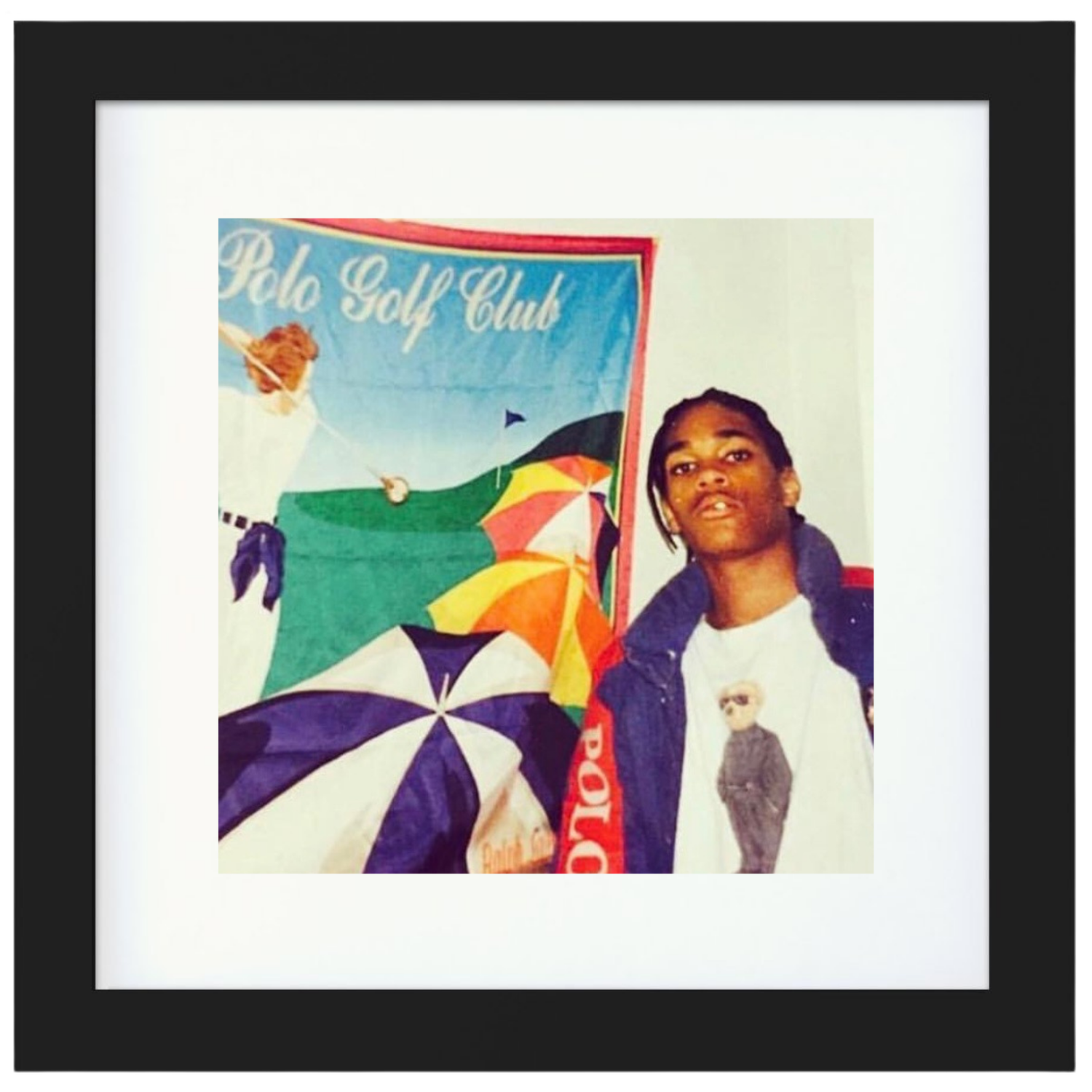
Supanova Slom
Read the interview excerpt
“In the midst of that you had brother Thirstin Howl, and I've never met him, but he was a legend in my community because we lived in the same hood. You know he was in Crown Heights too. I know the part of Crown Heights more near the Utica area, the Utica Avenue part, not too far from where I was in Crown Heights. So, I've heard about him. His name rung a lot of bells. Him and Prance Lo and people like that. They, I call those, they were the first dynasty of the Lo. So, you're talking about from 86 I would say officially, but 85, you know I'm going to respect the OGs, they tell their side of how they....you know as far as really you know, some Lo Lifes 86-87 you started to really see visually what that looked like. Again, I wasn't apart of that era. I observed it. Being young, I was real small and hearing about the Lo Lifes, you know from 86-91, right. Now you have different types of crews, and I think the documentary of course probably touches on or is based a little bit on that in that you had the Ralphies Kids, right? Then you had the US polo man. So, it was like the East New York margin with the Crown Heights , you know flow. You know. Booster gangs, you know kids, fly, they wanted to be fly. Flyness was at that time in the 80s because of crack cocaine was the thing. Fresh and fly because all of the dope boys was fly. So, everybody had their interpretation of what fly and fresh meant for them and how they were going to interpret it, right. So, as far as the LoLifes and the First Dynasty those brothers from 86-91, you know I'm pretty sure legends had, that some of them had their hands in dope, but for the most part they were a boostin gang. And they got fresh based upon their goods. You know what I'm saying? And so they became legendary for a specific thing, mainly around Polo, right. Now what made it so powerful is that by the time I became a LoLife, so my era was from 91-95. I call myself the 2nd Dynasty. To me, and I'm not disrespecting the latter or the first, that's when the culture started to pick up on Los impact, was in my dynasty. Because from 91-95 you started to hear that Hip-Hop was referenced and you started to see the influence. So, it was really that. But, Thirstin' and them, you know I'm going to always put respect the elders, the Ogs. They put such a notorious work in from 86-91, right? Let me tell you how powerful the work was that they put in. By the time it hit 91, Polo was the only garment on the street that could be used as commerce. We have to pay attention to that, that's very important.”
TAGS
Thirstin Howl III
Read the interview excerpt
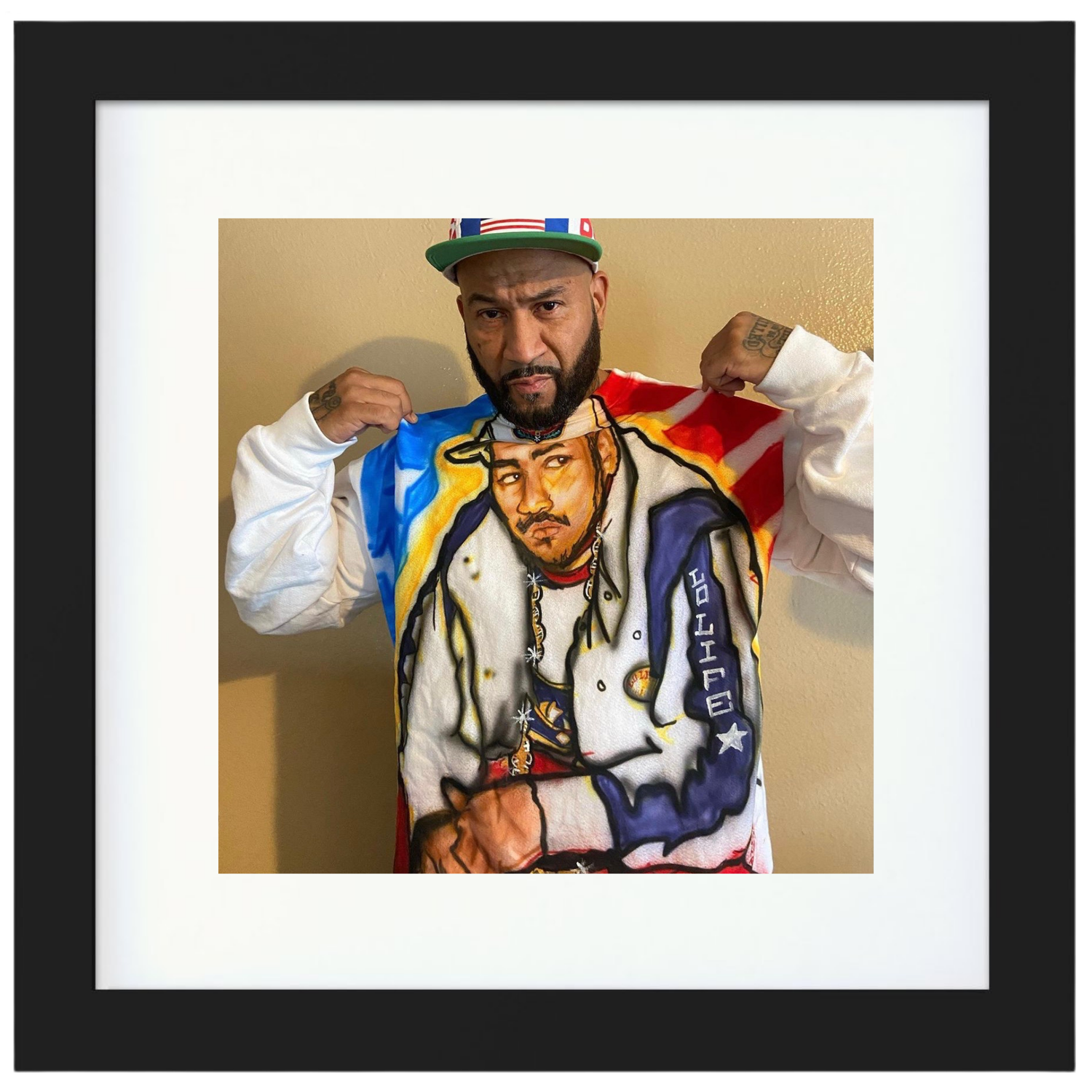
THIII:I mean the importance of gettin' fly in New York, I can say for myself and all of my friends, I mean it was something that you wanted to do. I mean the atmosphere in New York is just that. Everybody fly everywhere you look.
SG: Yep.
THIII: I mean as a teenager and all that, you had to do it to to protect yourself from the jokes, and the harshness of the...
SG: Yeah
THIII: Cuz you know I come from, you know a team of rankin motherfuckers.
SG: Yeah people would cut ya ass all day.
THIII: Yeah, so you know I grew up poor man. I didn't have furniture in my house. I didn't have a phone. Barely had food. Barely had dishes and shit, but I knew even in that case, I had to get fly before I worried about even the crib because even when people come in my house, they rankin. So, I could imagine the people outside who can't see my house. So, I'm the only person they can attack, or you know, how you look. What ya sneakers look like, and this is a 24 hour 7 days a week thing in New York. Especially in Brownsville, the ranking, the harshness. And you know I was Puerto Rican in Brownsville. I get hit with every Goya Bean joke in the motherfucking world. You know, that's what actually made me a crazy punchline rapper. Being attacked so much with the jokes, I had to defend myself against 20-30 niggas at a time. So, my jokes had to be on the next level, and that's what made me the punchline rapper I became.
SG: Totally, totally, totally dig that. You preaching to the choir. My family definitely gave it up to, in doing similar to what you're talking about. Doing whatever it took to like get fly whether it was Boostin' whether it was doing the thing ah ah ah ah ah. And so, what was the transition, because I mean in the 80s you could've copped anything to get jiggy, right? Like cats was doing the lee jeans, cats was doing the gazelles, but yall like, what was the transition? Like yeah there are mad other brands, but this Ralph shit is different. And so we want to rock with this, because it's not only a part of the American Dream, but it's just different. So, what was your transition into rockin' Lo?
THIII: Well, it was an evolution, right? Because I tell mad people, the LoLife style was not on with Polo. The LoLife style is a b-boy style.I'm a break dancer. I'm a break dancer, I'm a graffiti artist. I always dressed in the suits, those Enyce suits, those Puma suits, those Adidas suits, the Kango, the Gazelles, the sheepskins. I went hard with those, with all of that.
TAGS
Willie Esco
Read the interview excerpt
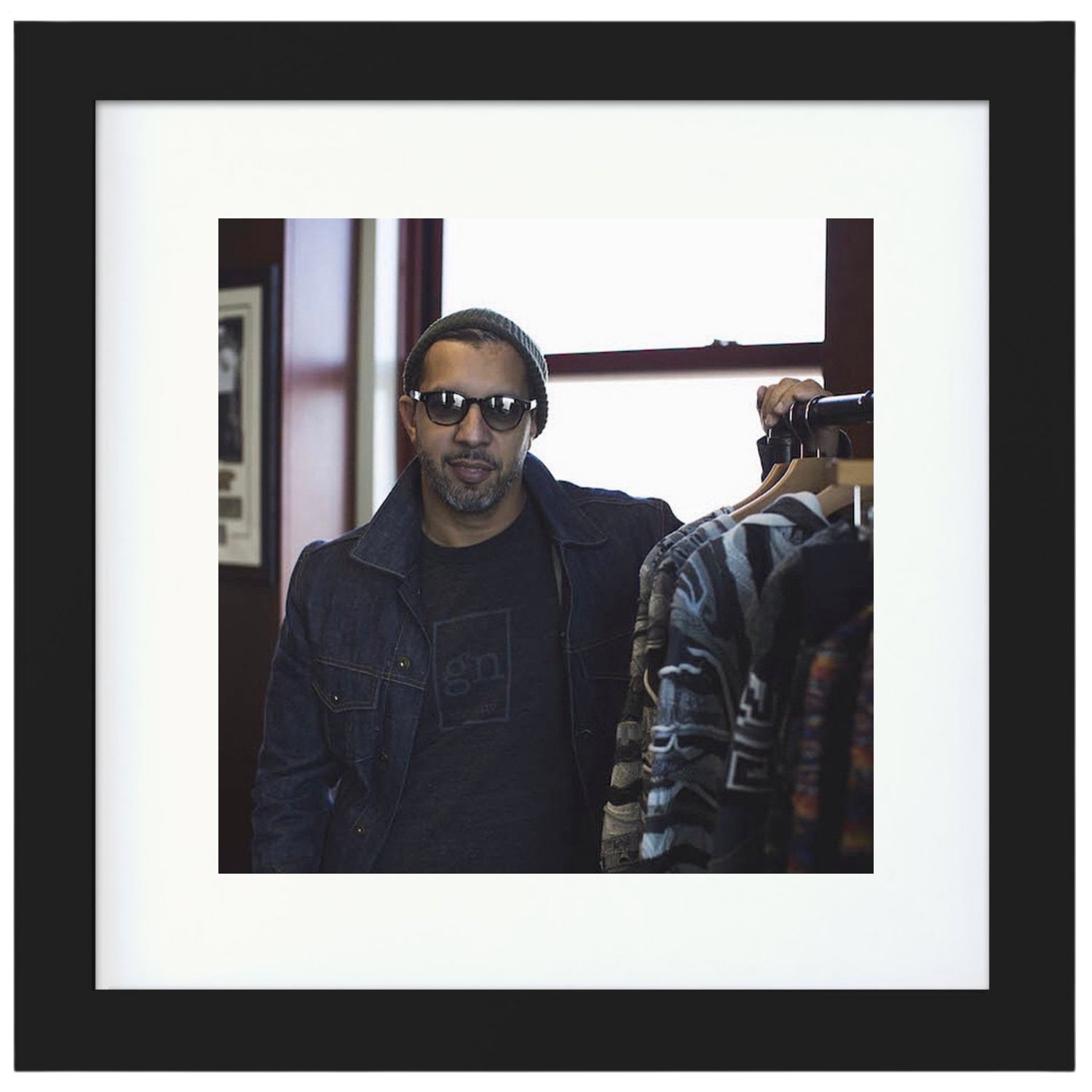
“When my mother and father sort of split up, or we sort of left that neighborhood, the most important thing that ever happened to me was that we went to a Black neighborhood in Central Newark. It was on 1st street by the Cathedral in New York, in New Jersey by Branch Brook Park. To me, it was miles and miles away from where I used to live, but actually it wasn’t that far. But being immersed into Black culture, my next door neighbors were wild. There was no sense of who are these folks? It was just in Black culture, Latinos were always sort of easy, it was easy to assimilate. Anything else was very hard. Like, my brother assimilating, whose 10 years older, assimilating in white culture was a little bit harder. I’m the younger version of him, I’m 10 years removed. So, moving into a Black neighborhood at the age of 9, 8/9 was key. It was just, Disco was ending and Hip-Hop was starting. GQ and remixes and all that sort of stuff. This whole movement that we didn’t know was Hip-Hop was starting to emerge. They called it rap, as I started learning about it and listening late nights on the radio. When you start to really assimilate, and the reason you assimilate is to really get girls, right? For me it was, and most of the, most of the kids and teenagers, you want to assimilate to be cool. You don’t understand how getting money works, so you really want to attract another person, a girlfriend or whatever it was at the time. I just felt like when I entered that neighborhood it was different, noticeably, right. I’m a block away from Spires Projects, which was a nice set of buildings, but it was still projects nonetheless. And maybe two or three blocks, or a park away from 7th avenue projects, which was very dangerous. But, still, nonetheless I was off of 7th avenue, and that was the beginning of me immersing myself in the culture. With roots of soul and disco, and all that. I’m really appreciative of having that foundation of watching Disco turn into Rap, it sort of allows me to have an understanding of where Rap came from.”
TAGS
The Lo-Seum: How a community archive with Brooklyn roots went global
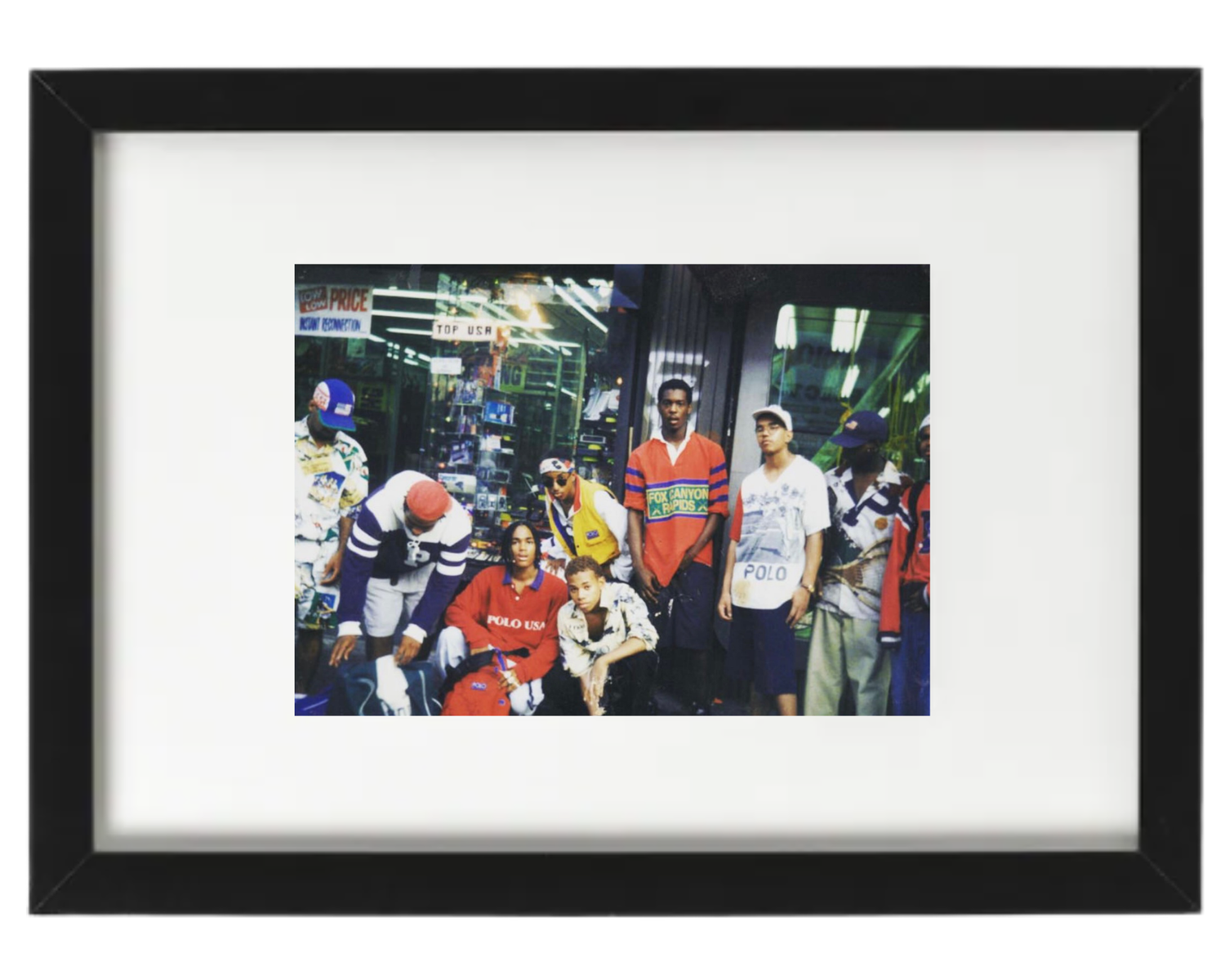
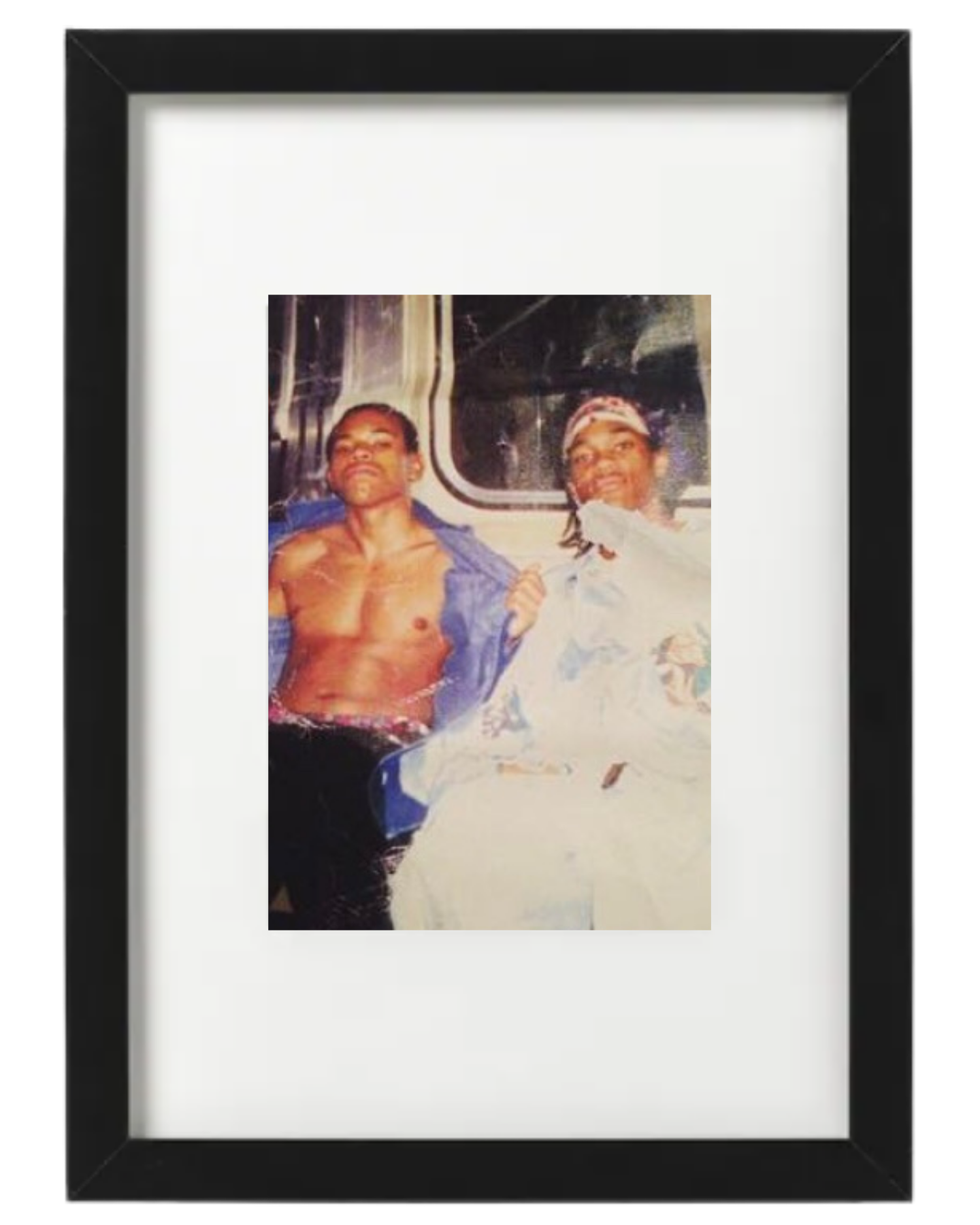
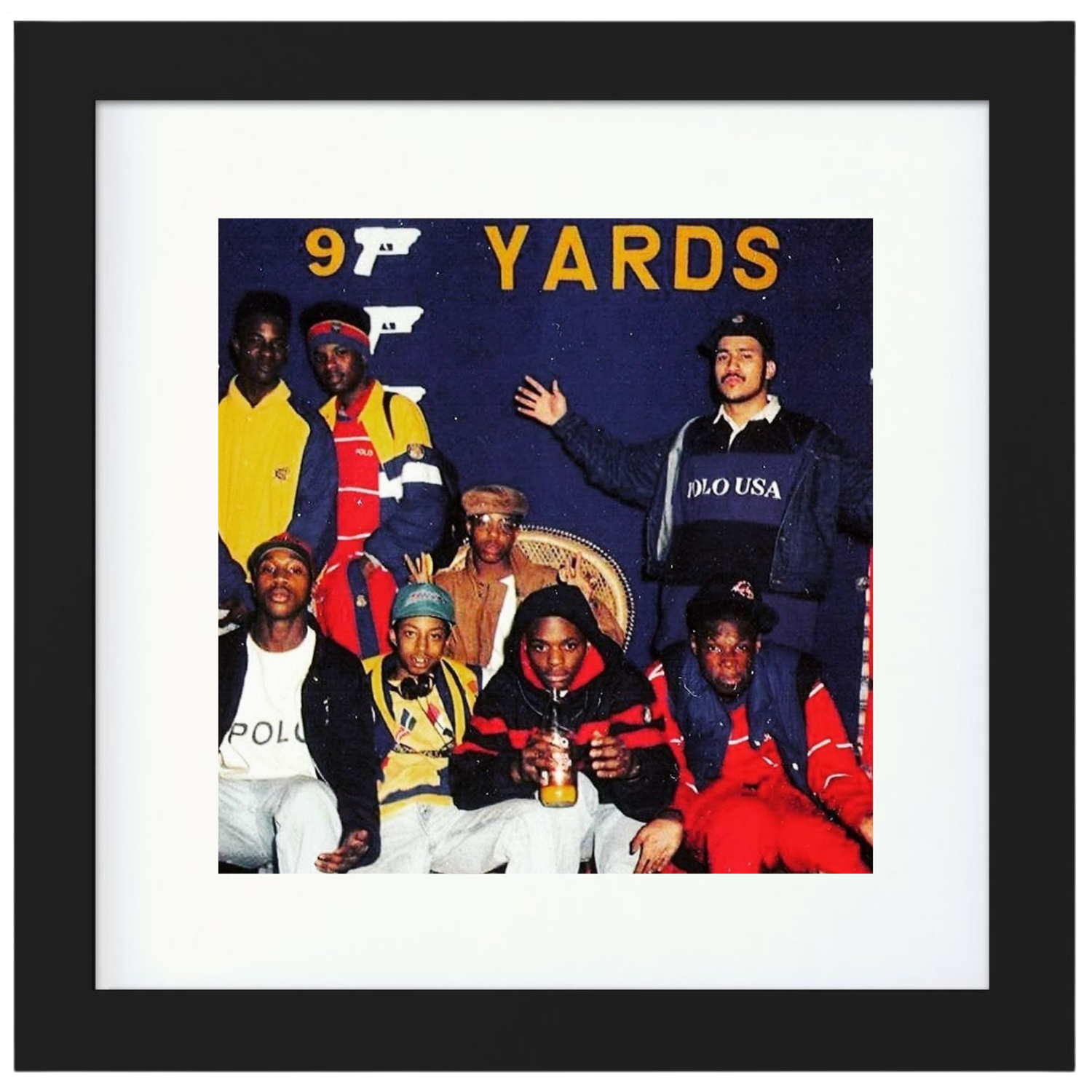
Documenting the history of a subculture that was originally created, maintained, and valued by non-white poor folks begins wherever it is that you start. These stories are often left out of the official narrative, an erasure The Gates Preserve Archive seeks to correct. Eventually, enough threads of the story emerge that they can be woven into a patchwork quilt, a design infused with love and loyalty. A group of Black and Brown young people with few options and even fewer resources made a dash for their version of the American Dream. A living collection of oral histories continues the stitchwork of ongoing archival labor to document this story. The Gates Preserve Archive remains grateful for this initial cohort who generously gave of their time and memories to make sure word of their adventures and lessons is passed.
Est. Brooklyn, 1988
In the economic devastation of late-80s Brooklyn, the collision of fashion, hip-hop, and mutual quests for survival resulted in the birth of the Lo Lifes. Kids getting fly by any means available was nothing new. This wasn’t the first group to create cultural cachet in the luxury labels they swiped and sported in their neighborhoods. But their ability to engage with collective action and sustained narrative building over the course of more than 30 years is a remarkable feat. Reaganomics and the Crack Era hit Brooklyn particularly hard, but there were always spots in the borough to see and be seen, places where those known for rackin’ gathered to compare their “wears” and rep their crews. Two in particular were St. Johns Place in Crown Heights and Marcus Garvey Village (MGV) in Brownsville.
St. Johns Place was a home base for several crews, including Get Money Crew, 2 Front Posse, but eventually Ralph Lauren’s Polo, with its audacious colors and opulent lifestyle associations, became an established frontrunner for “The Brand to snatch” in the world of boosting. Crews who dealt exclusively in the procurement of Polo became known as Ralphie’s Kids, so dubbed by G-George. Over in Brownsville, MGV was growing its own team of Polo go-getters. They eventually settled on the name Polo U.S.A. (United Shoplifters Association).
These crews operated somewhat independently for a couple of years. While the precise catalyst for the unification is somewhat disputed, what can be agreed upon is that in this before time they crossed paths often, particularly in the Times Square area of Manhattan’s 42nd Street (the Deuce), and it was mostly with an air of mutual respect at the level to which both sets of members were dipped in the ‘Lo. Eventually, in 1988, they merged into a super company, one whose impact no member could have predicted. The consolidated crew tried on a couple of monikers—“Polo Posse” in particular is remembered with derision— but nothing stuck until one night original member Thirstin Howl the 3rd (who was then known as Vic Lo) was called out for his wandering eye when it came to the ladies. One of them dismissed him, saying, “You’re nothing but a low life.” To the delight of Howl and his compatriots, a bell rang and a legacy already in the making finally had a name.
It’s A Lifestyle
After these pivotal moments, the timeline can get a bit hazy depending on who is doing the narrating, but there remain important guiding principles to the first generation of the Lo Lifes. Primary among them is that acknowledging lineage is key. Integral members of both Ralphie’s Kids and Polo U.S.A. who had moved on by the time of the unification are still considered Lo Life “founding fathers” or OGs. Also, there was no “open door” policy. The only way to become a Lo Life was to be brought in by a trusted party and to continuously prove your prowess to get Lo and make your presence known by always finding new ways to be Lo Down.
Initially, snatching the gear was key to the lifestyle of a Lo Life. Avoiding security or retail staff was just the first hurdle to leap over. High-end department stores also had “store detectives” and undercover cops to shake. Shoplifters steal, but boosters have finesse. Some boosters deployed decoys or hired bagmen to evade detection. There was some overlap between boosters and graffiti writers that also became useful. Writers were used to subterfuge, misdirection, and stealth. They often found creative ways to procure their materials and avoid any charges of vandalism or destruction of property. Boosting began to evolve into a craft with increasingly innovative tactics to keep things interesting. Some members took to the challenge, coordinating well thought-out boosting missions that included pre-dawn treks across state lines or learning which exits and escape routes were the least guarded.
Making it out of the store with a large haul was no guarantee a booster would keep all that gear. Dangers abound when the whole block is struggling, and a mission could switch from being a fun excursion to a deadly situation with a dizzying quickness. Chronicling these missions is an area where the oral history format is especially giving. First-generation Lo Lifes carry with them a catalog of their missions, some of which are so audacious, so imaginative, they’d be welcome in a Hollywood writers’ room.
One of the reasons the Lo Lifes so frequently moved in large groups of 30 or more is that there is strength in numbers. If someone messed with a person in your crew, then they were messing with you, an offense that had consequences. The early Lo Lifes are forthcoming in the fact that their ethos in this period was “Money, Hoes, and Clothes.” They lived to be fly. It was their power. It was their currency. It was their survival.
The Lo Economy
Being consistently Lo Down (dressed in several layers of Polo clothing, from head to toe) requires a constant influx of new Polo clothing items (I.T.s, or “itees”). These items are design materials for the next outfit paraded on the Deuce. They are the bricks that build a member’s Polo mansion, and they motivated the planning of elaborate missions that often made their way out of the five boroughs and into surrounding states. It was not unusual to venture into Ralph Lauren stores in Massachusetts, Connecticut, Pennsylvania, or Virginia on a hunt for an elusive itee, a piece that never made it to New York City. These articles of clothing also became their own currency, a means of commerce and trade. Lo Lifes would barter a particularly sought-after item for protection, for a weapon, for an agreed-upon street value, which could have little to no relation to what its price tag would have read in the store.
Some Lo Lifes used their boosted items to bring income to their homes, feed their families, and help pay the rent. Others used boosting to get out of the drug game. Some let the ‘Lo speak for itself and regularly installed themselves in the most hazardous spots of their neighborhood with excessive amounts of Polo product on display, daring anyone to try to take it away from them. Eventually, Polo items were their own money for Lo Lifes who went to prison. Polo was the means, and it was the ends.
The New Generation
As the 1980s became the 1990s, the Lo Life lifestyle began to branch out and evolve. Several Lo Lifes decided it was time to move differently. Some had simply had enough of street life and became more active in reparative work and community organizing. Others left the New York metropolitan area. The ethos of those who remained evolved out of the former “Money, Hoes, Clothes” and into the more sustaining “Love and Loyalty.”
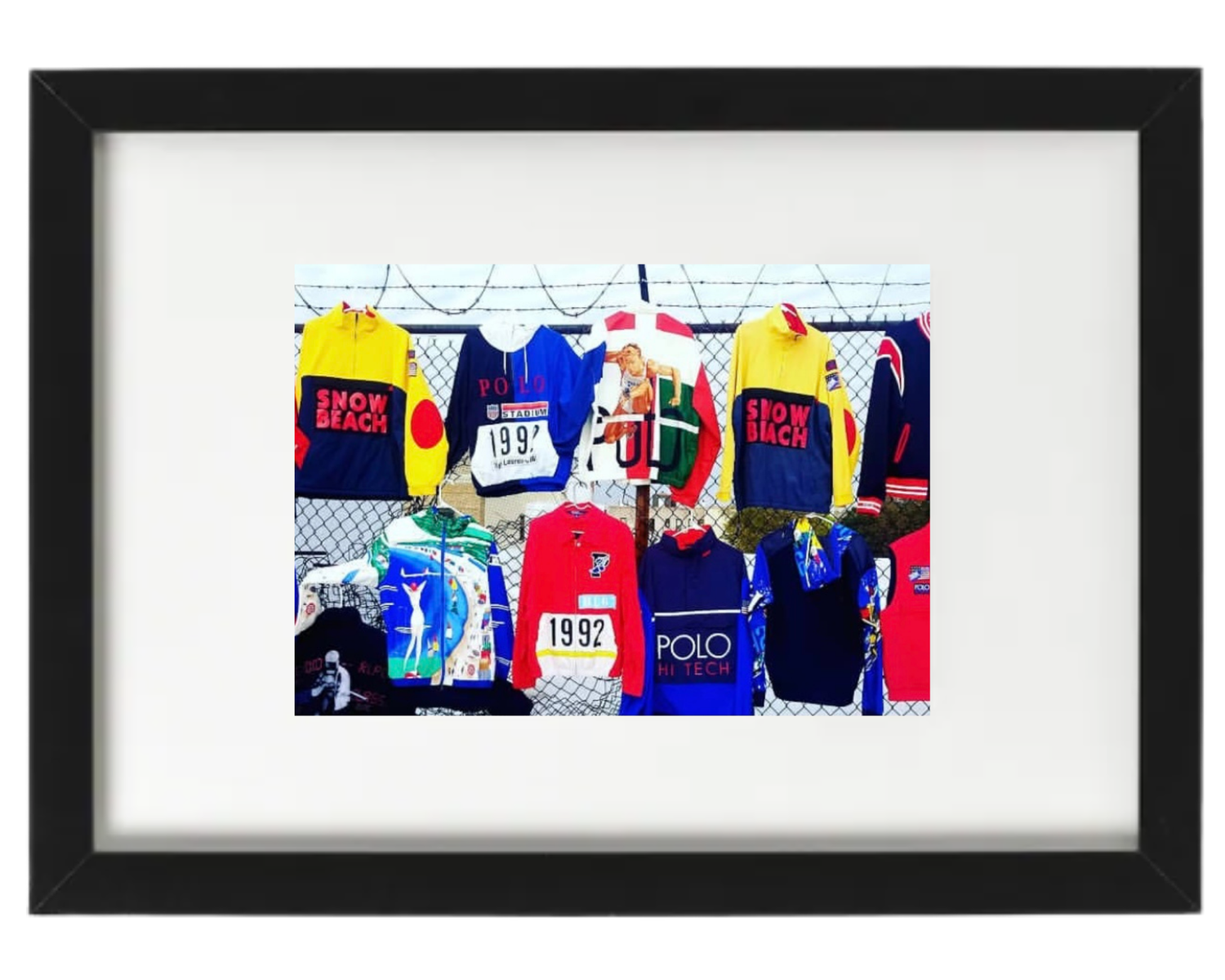
The decade also emerged as a time where Polo enjoyed a much increased visibility across pop culture in Black communities. It became an acknowledged and sought-after label in hip-hop, thanks to some high-profile sightings —think Raekwon and his Snow Beach pullover—and thanks to the Lo Lifes’ growing reputation as style icons. It also helped that Polo had hired its first Black supermodel, Tyson Beckford, who became something of a Polo ambassador to an extent few models achieve. Appearing frequently in Polo commercials and fashion spreads, Beckford became associated with the brand in a way that fueled this intersection of markets, a crossover that has solidified over the years.
Building The Legacy
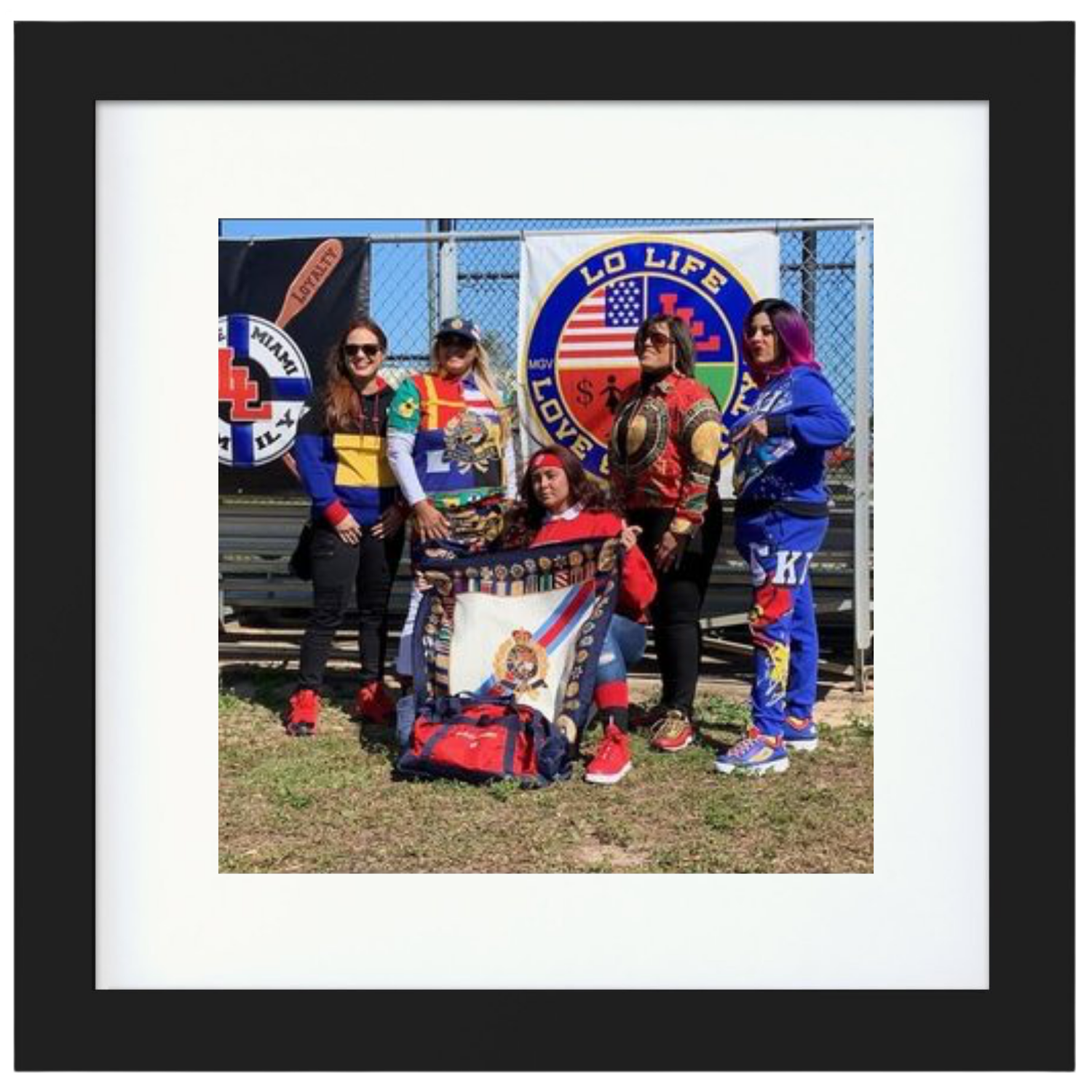
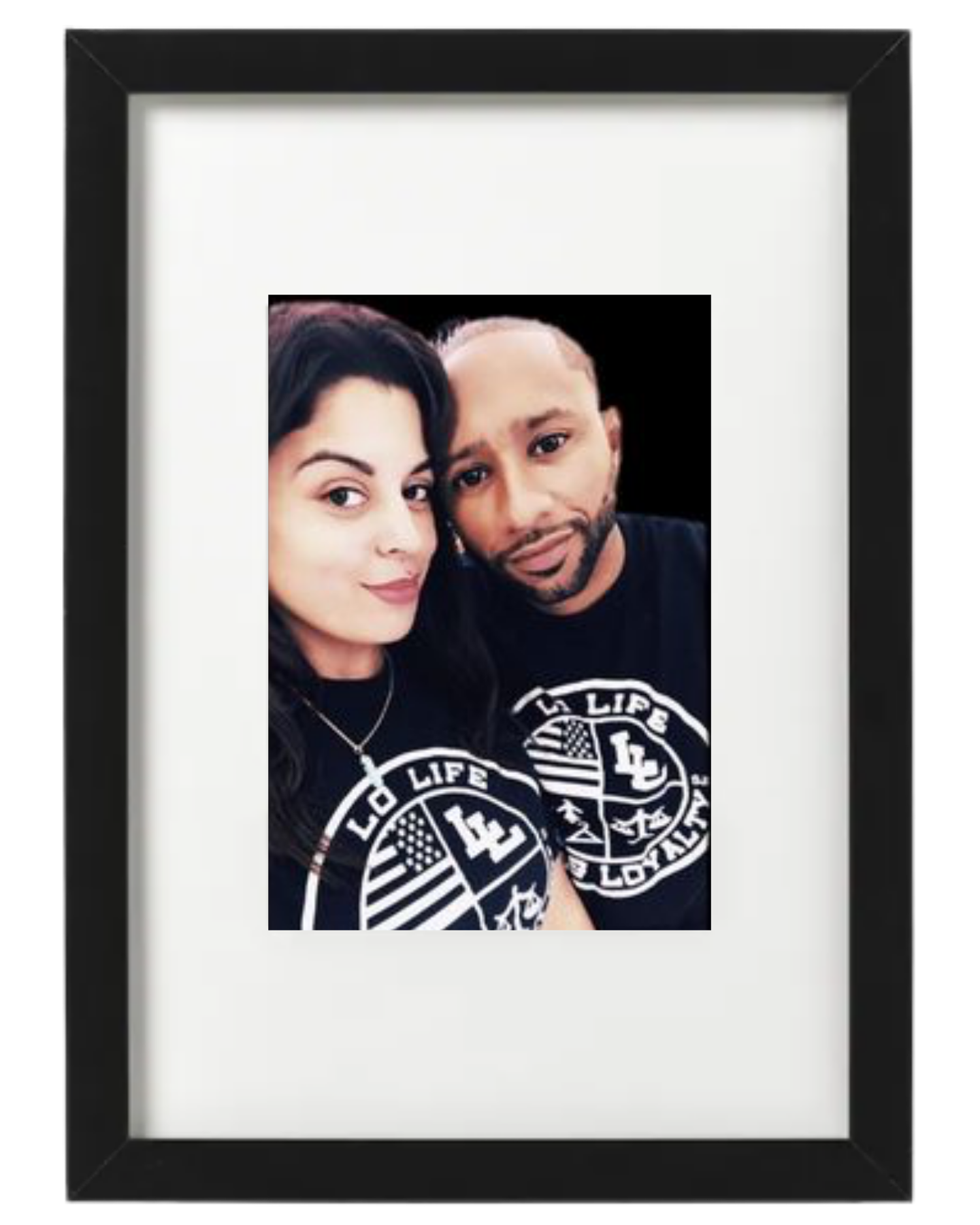
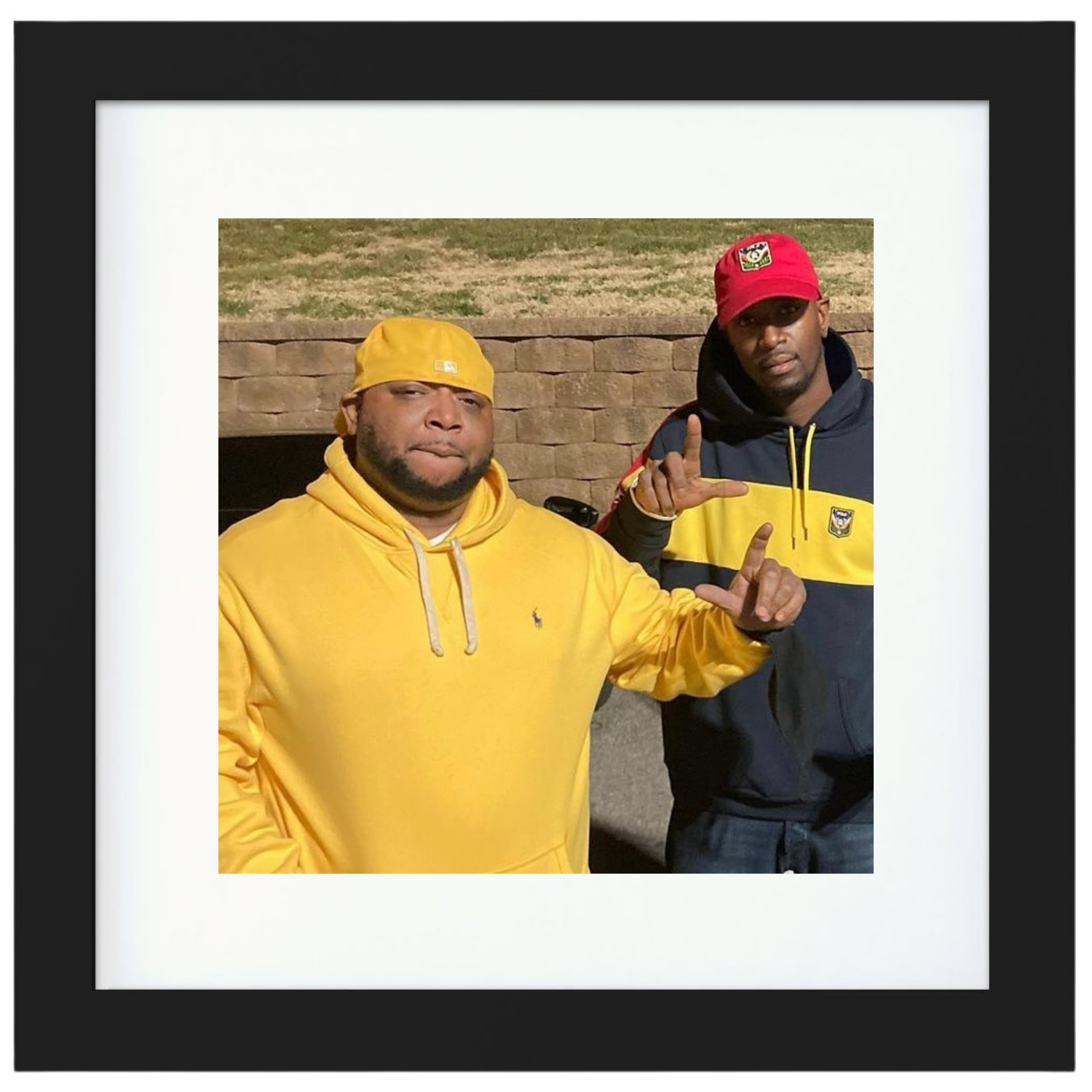
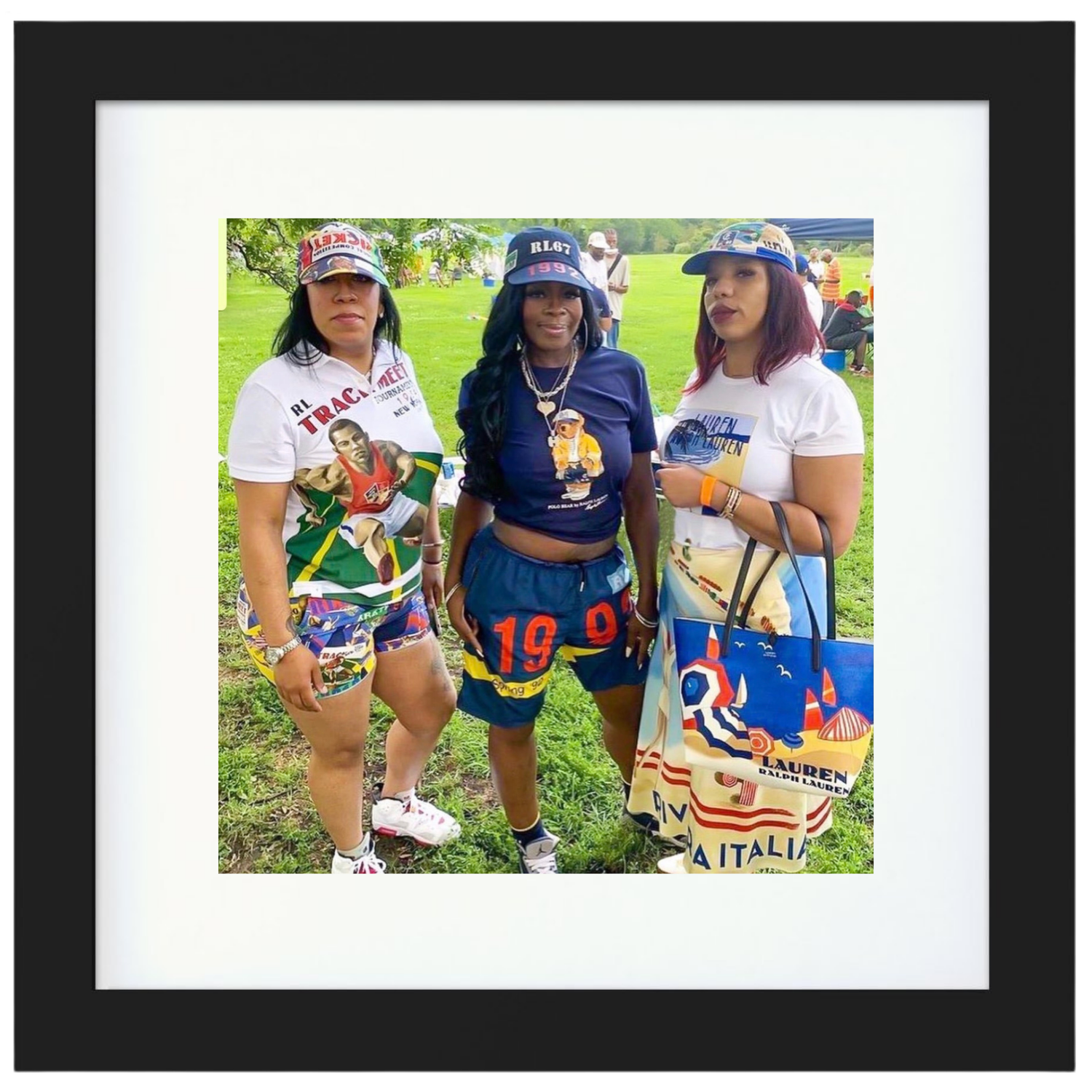
At the close of the 1990s, the Lo Lifes made several moves to edge their way toward legacy-building. The unofficial brotherhood became more official, and its accompanying culture became one of celebration. New Lo Life chapters were established across the U.S., acquiring new affiliates and Polo aficionados —most often called Lo-Heads—along the way. Raucous boosters no more, these days when members display their double L’s, it’s an announcement of unity, not of youthful defiance. This also marks a time where women began to be more of a permanent presence in the Lo Life universe, either as Lo-Heads themselves or as partners to Lo Life members, who are often referred to as Lo Wives.
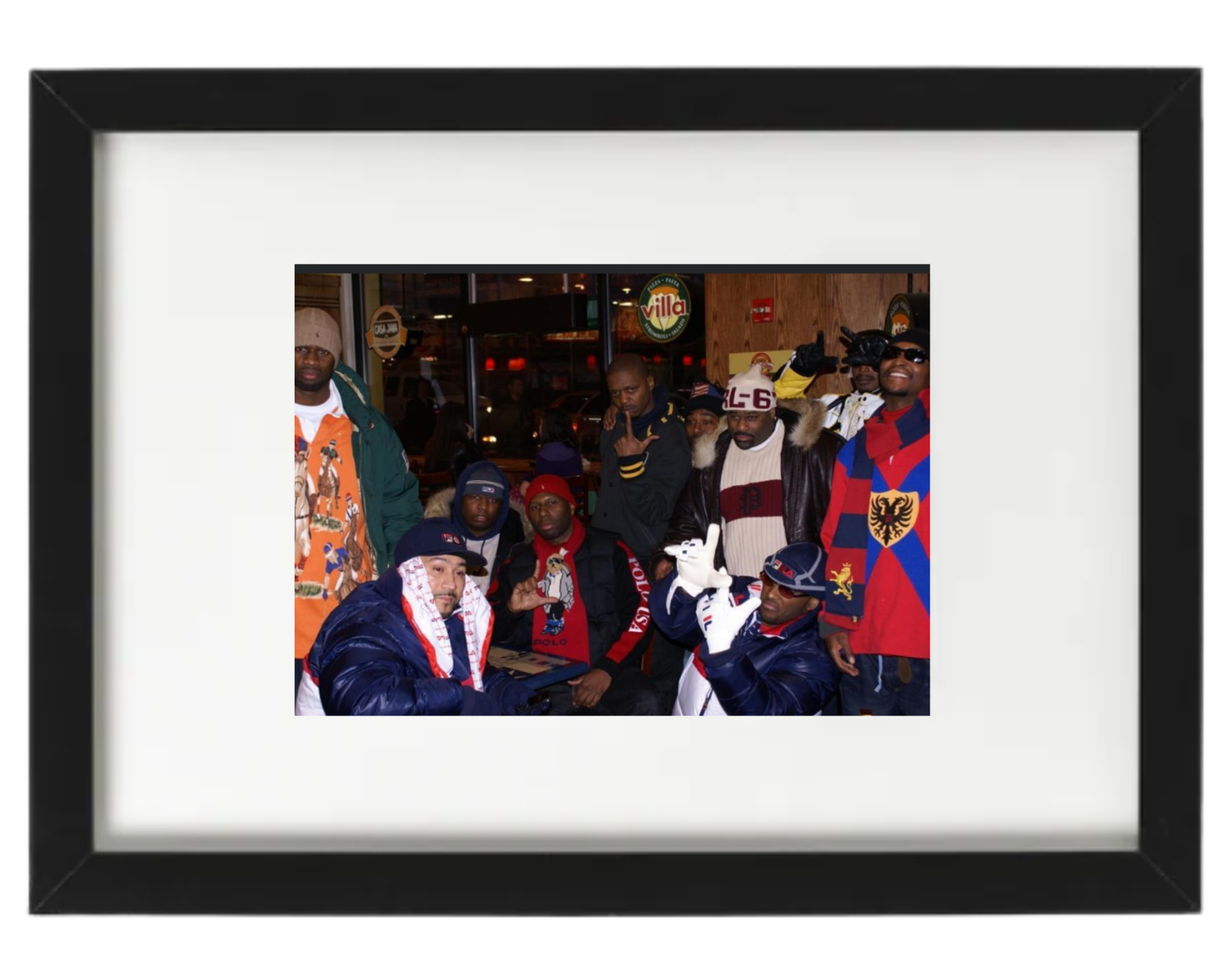
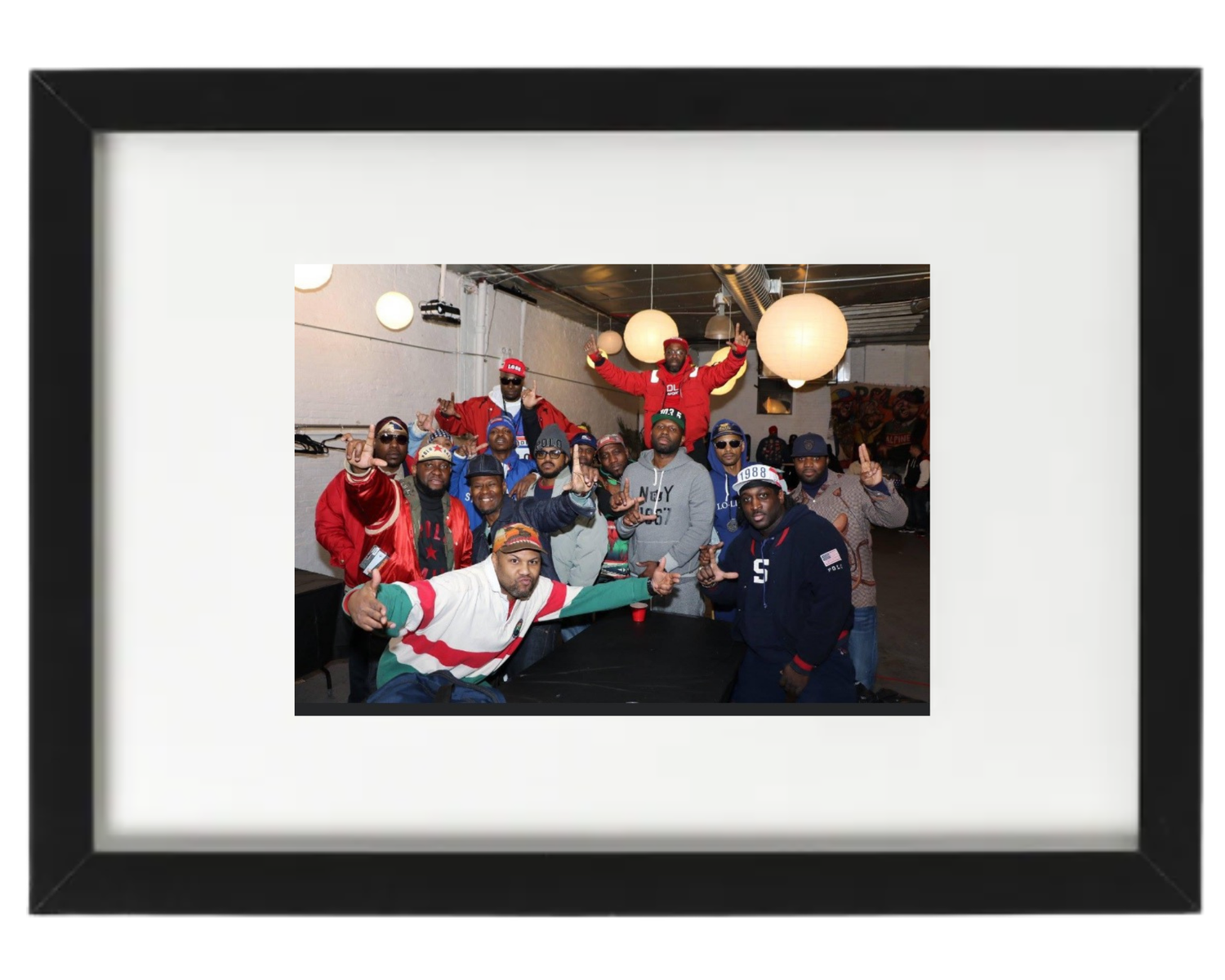
Regular get-togethers and reunions became fully organized affairs beginning in 2006 with the Lo Annual BBQ, a brainchild and labor of love of original member Rack-Lo and Lo Wife Shileena. A true summer fest, the BBQ has grown into a must-attend event in the year of a Lo Life, a family affair where OGs can meet up with younger generations. A few years later in 2010, the Lo Goose on the Deuce was born. This outdoor winter fashion show takes place in Times Square, a location with landmark status in terms of its Lo lore. Any attendee of Lo Goose on the Deuce best come Lo Down at every layer, including wearing their Polo Goose coat. Competition is key in these Polo Battles, and the flyest are awarded trophies and bragging rights for the year.
These events along with the advent of social media have turned the Lo Lifes into a network, and an organization that has gone international, with members from South Africa, Russia, Australia, and Norway making the trek to the annual gatherings. It also turned them into an organization ripe for the launch of its own brand. In 2015, Lo Life became its own clothing label. The official Lo Life logo is inspired by the “Cookie” symbol, the Polo Ralph Lauren four-quadrant circular patch that debuted right around the time of the founding of the legendary Lo Life crew.
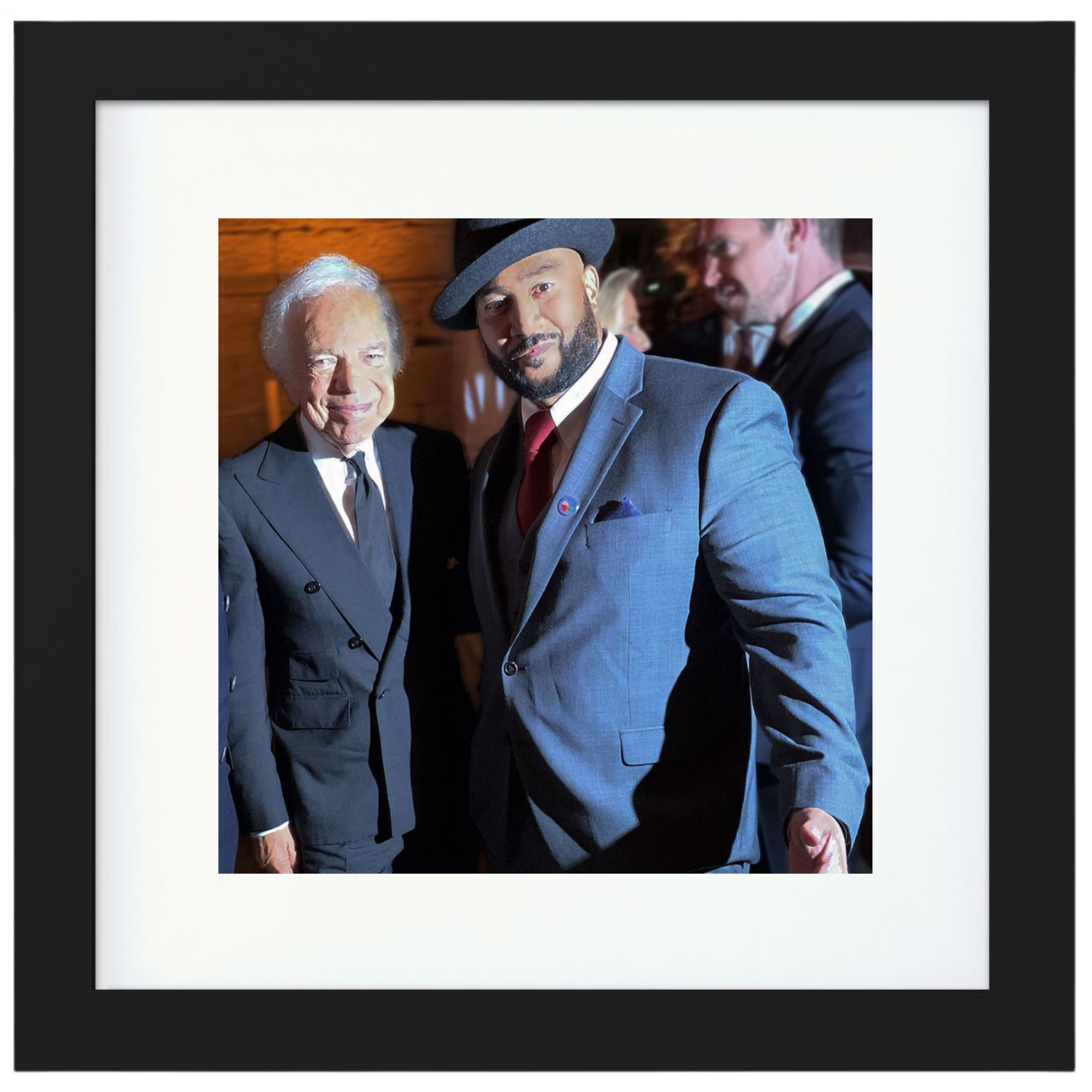
Not only have the Lo Lifes become masters of their own destinies, but they are also finally being acknowledged as integral to the legacy of the Polo Ralph Lauren brand and American fashion itself, their love and loyalty documented for generations to come.
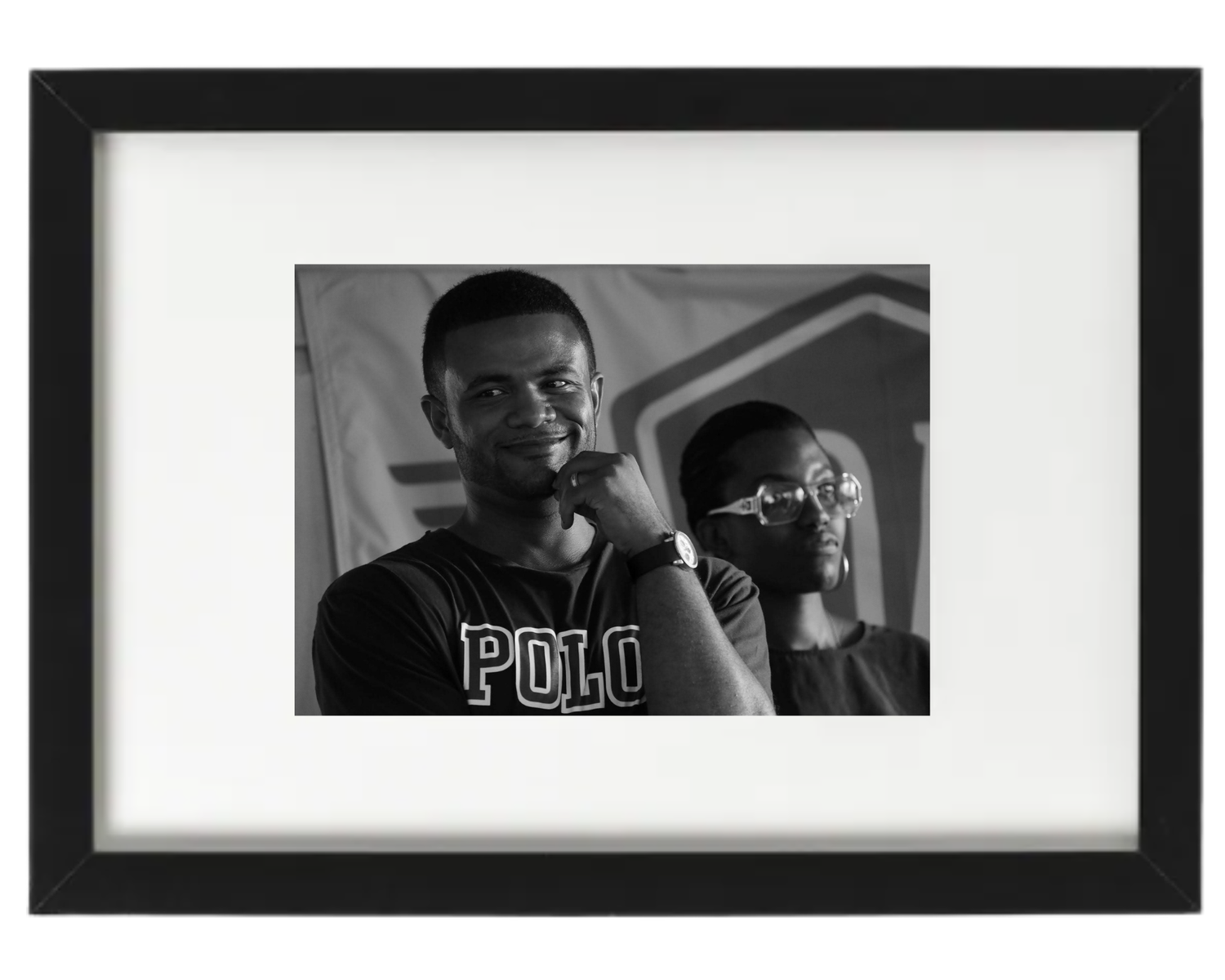
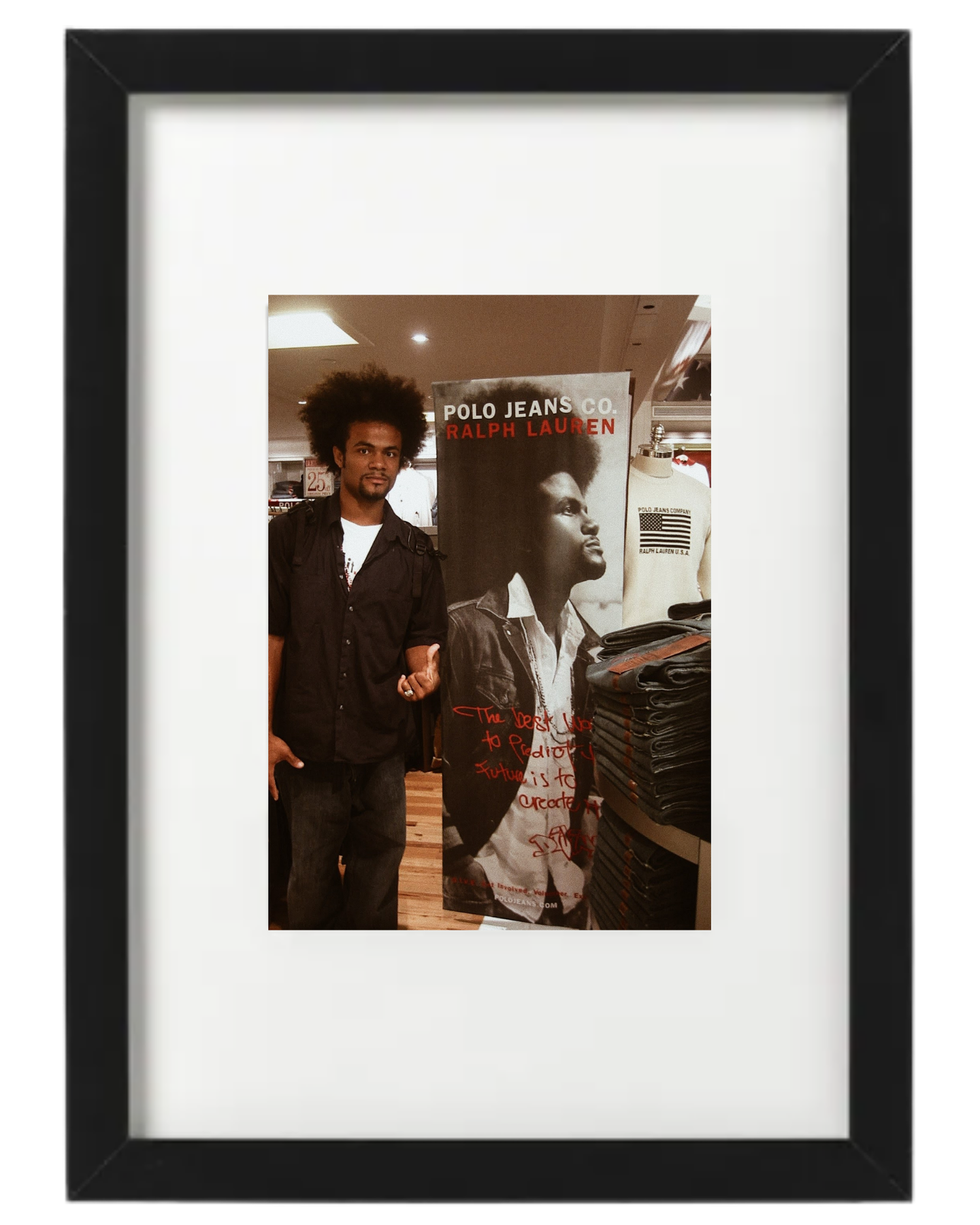
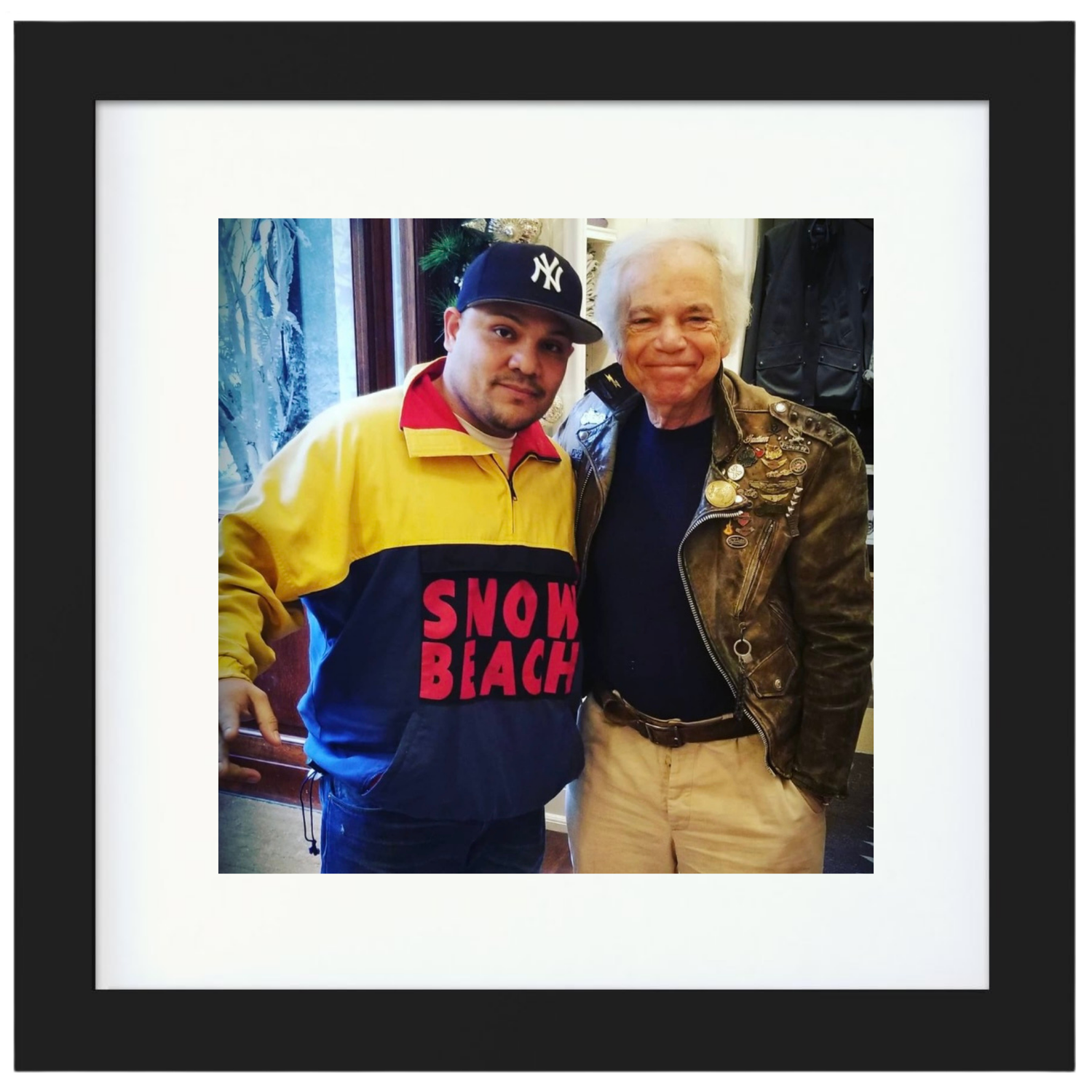
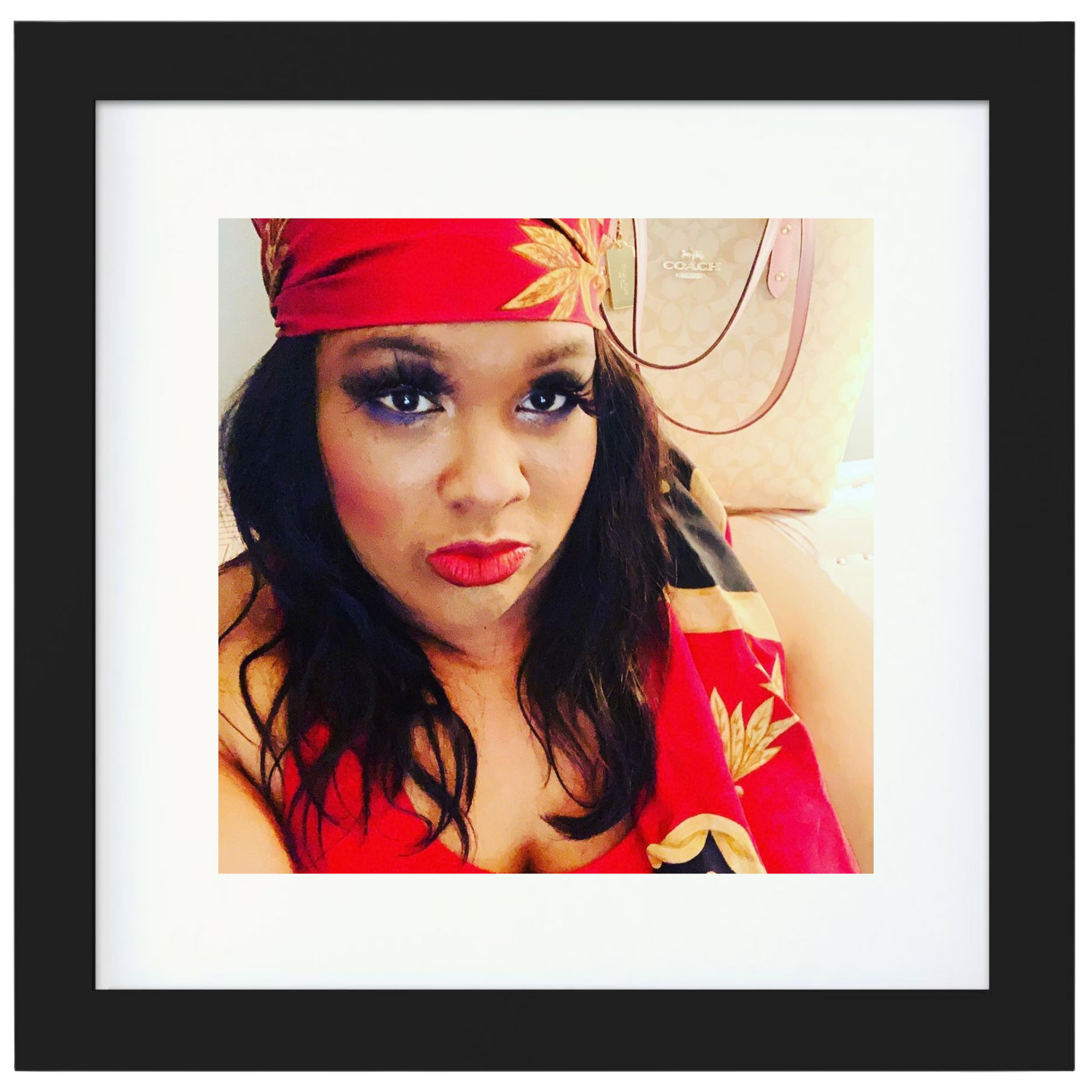
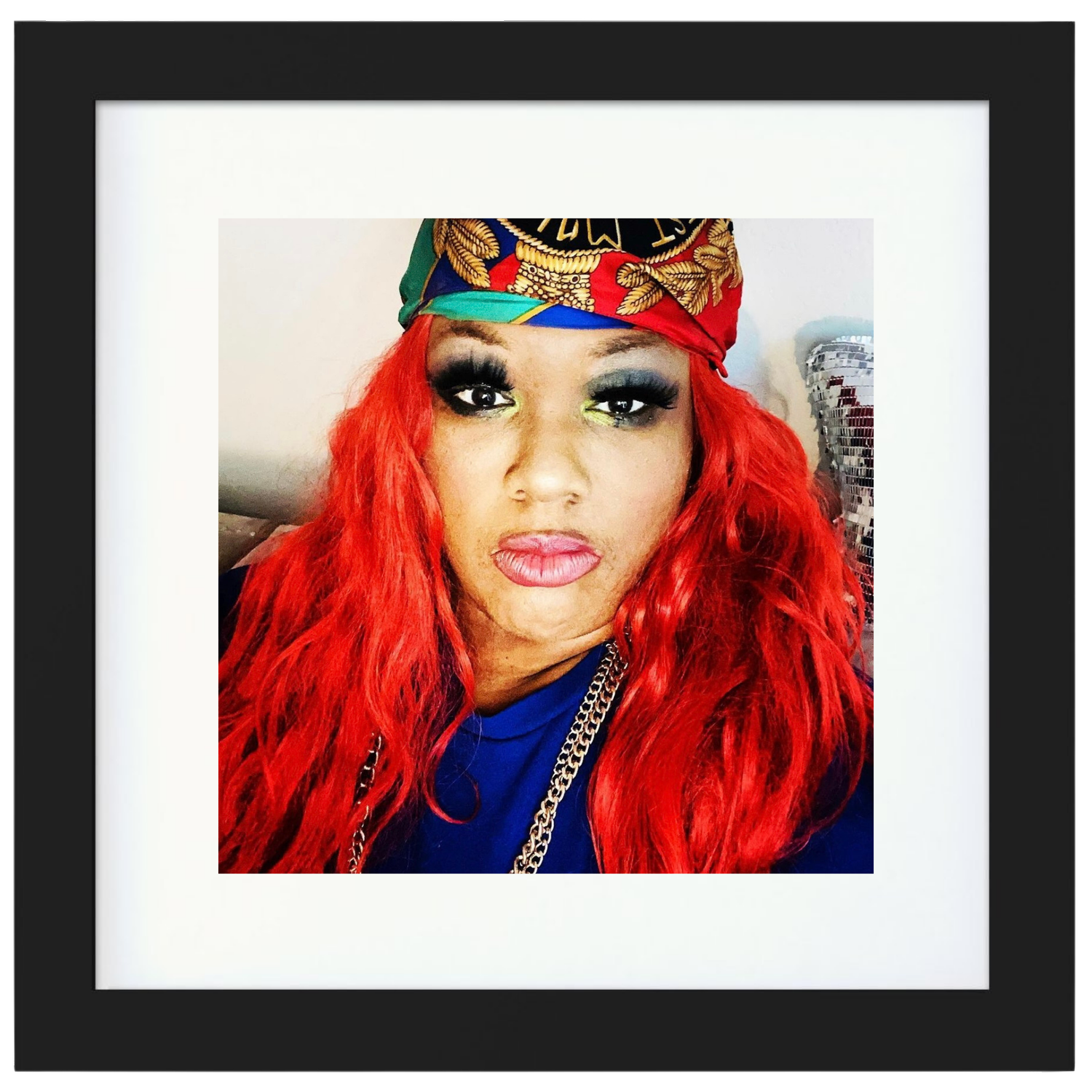
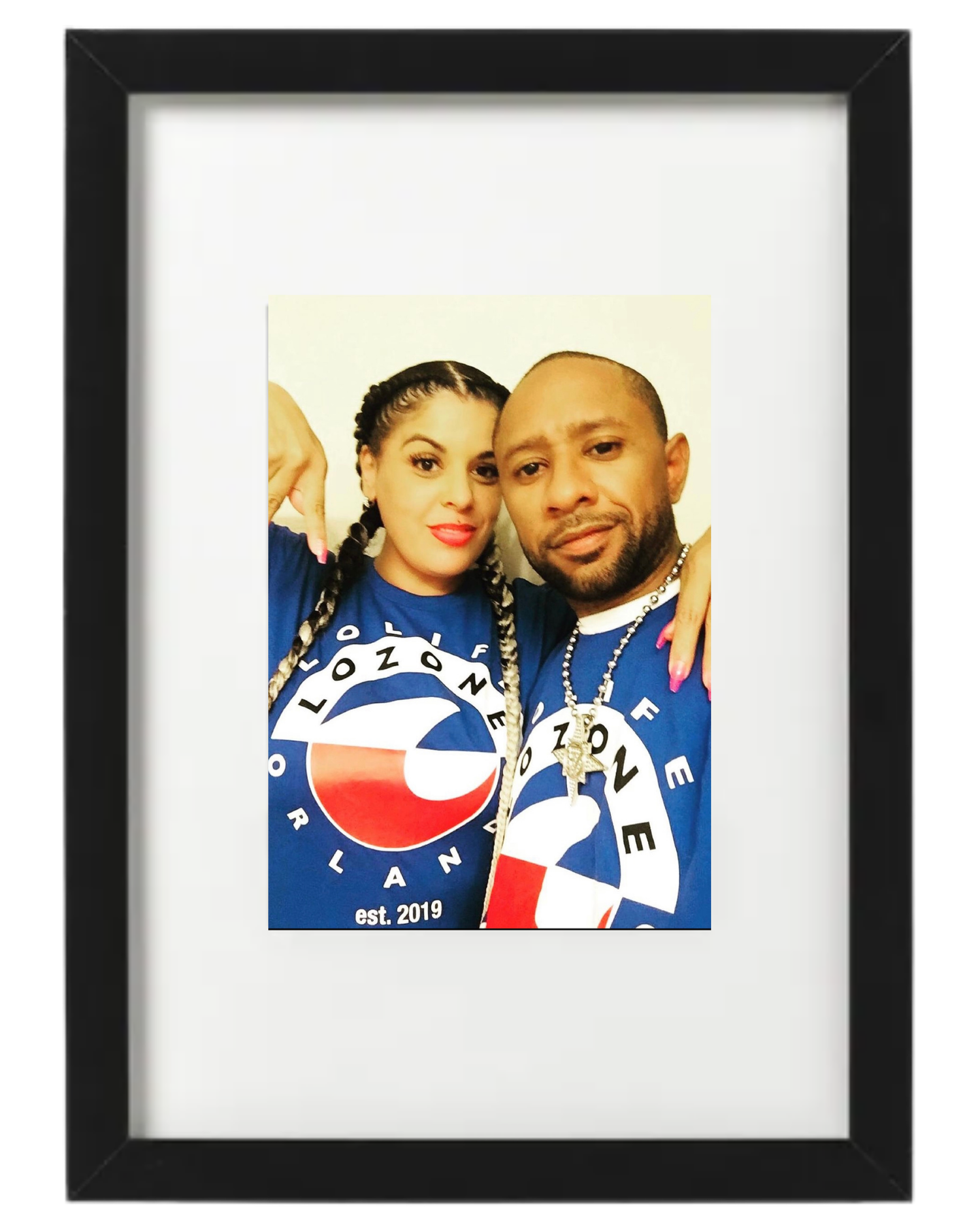
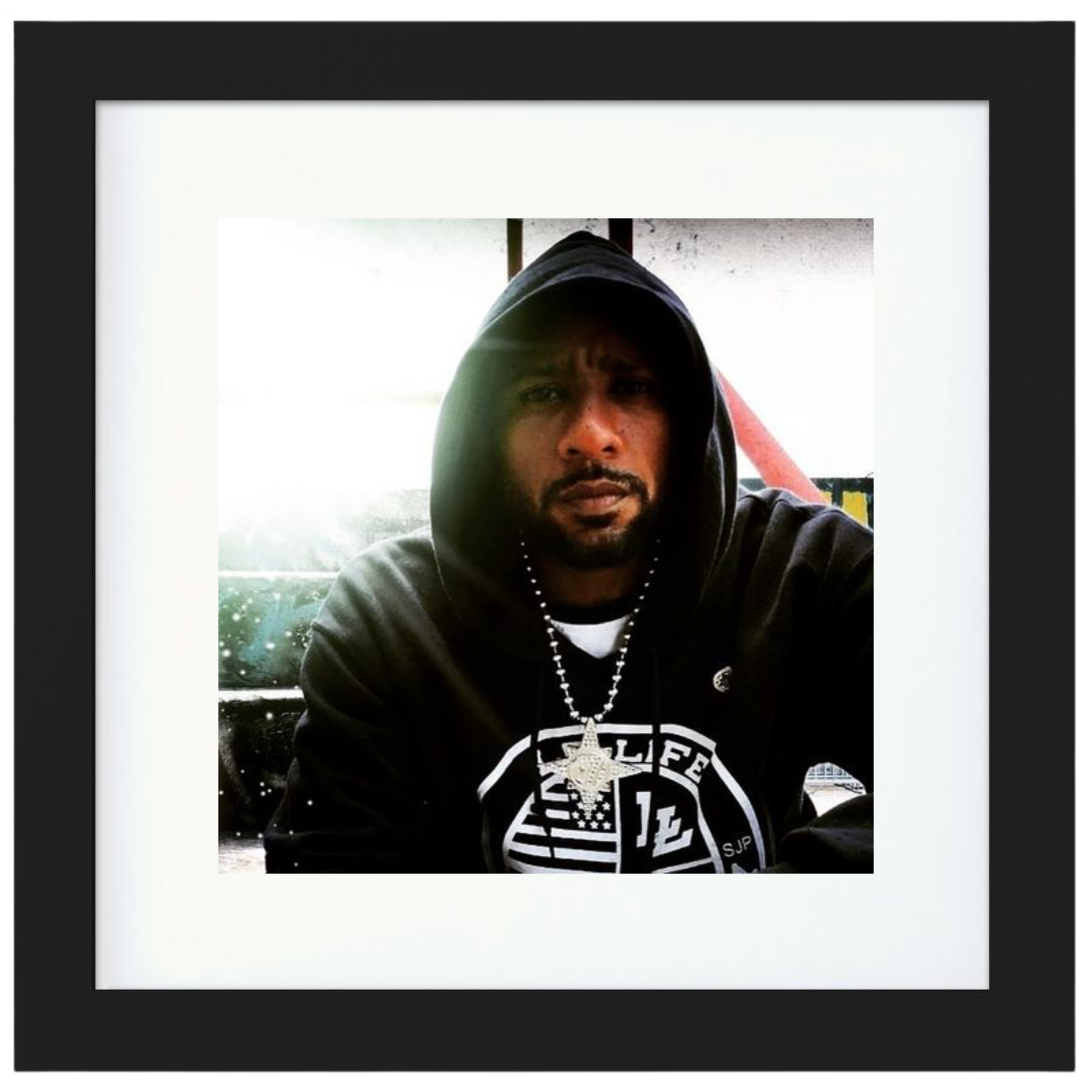
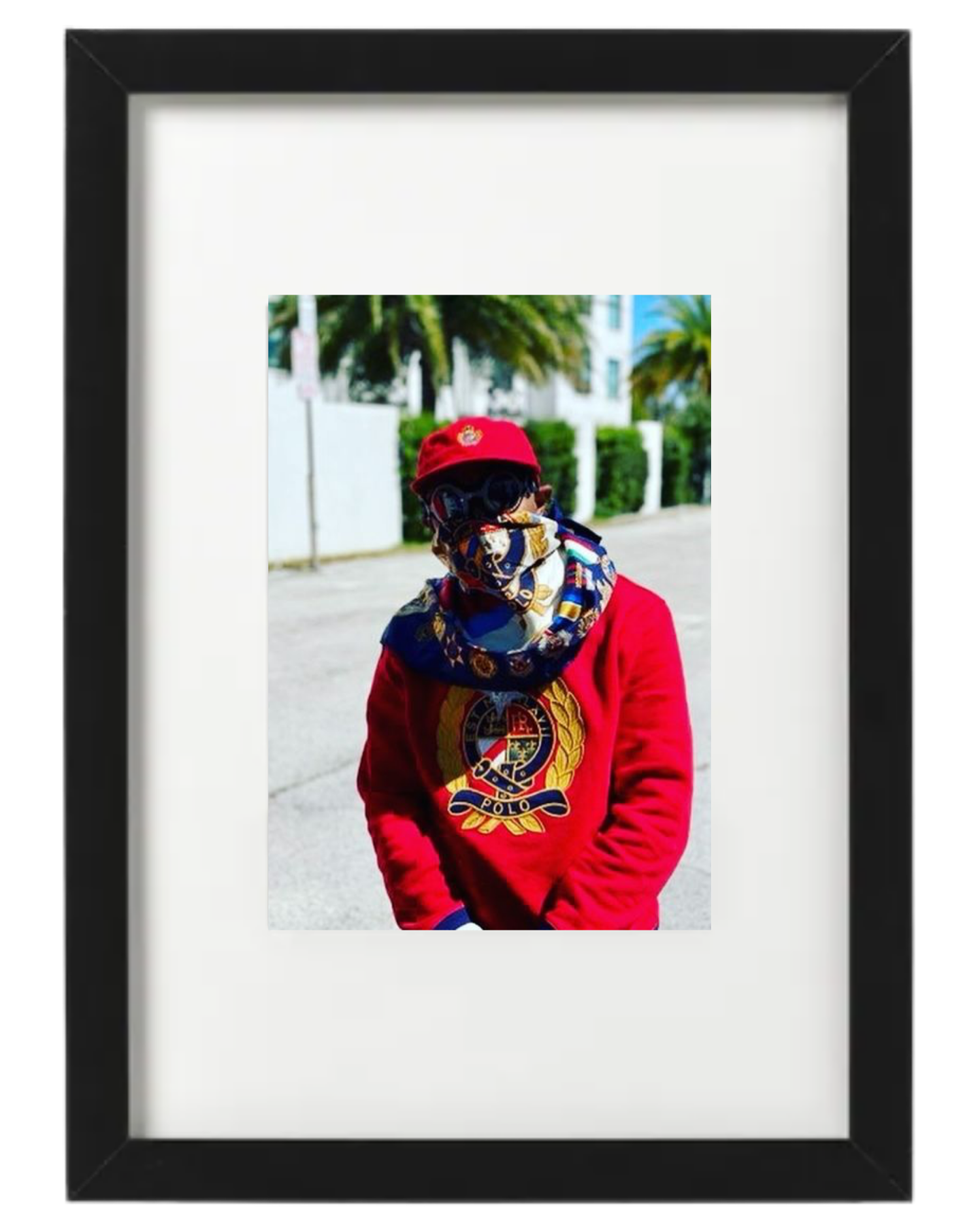
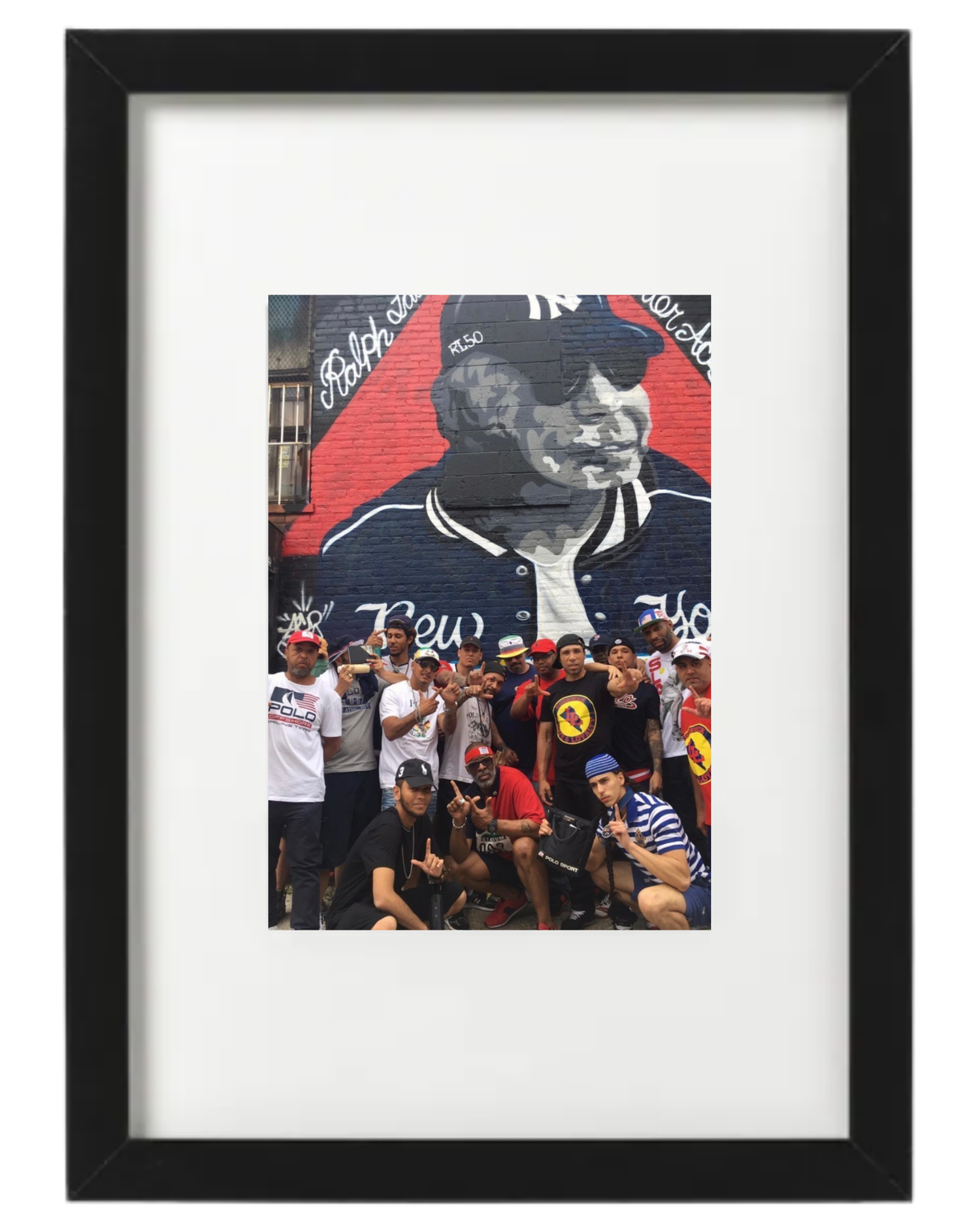
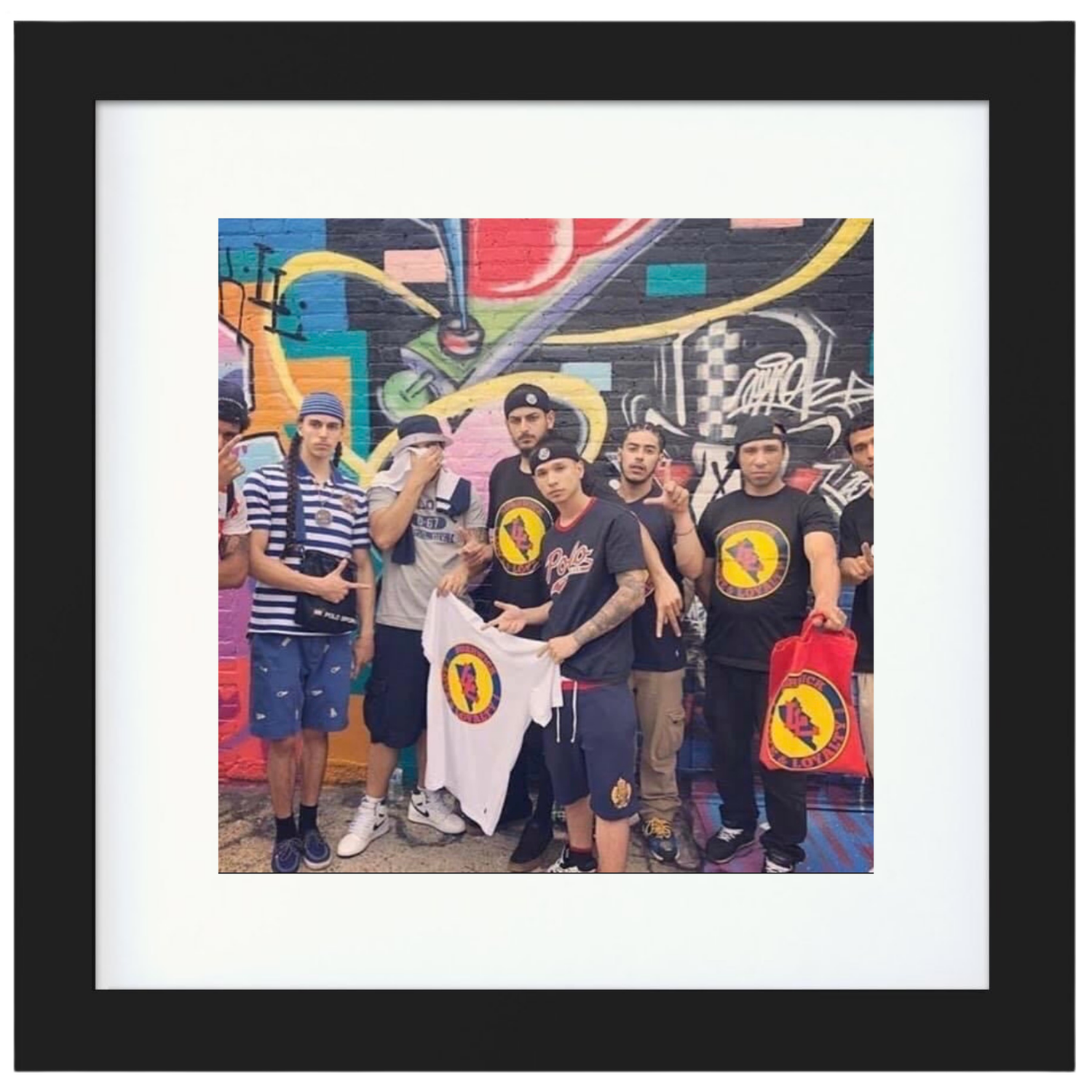
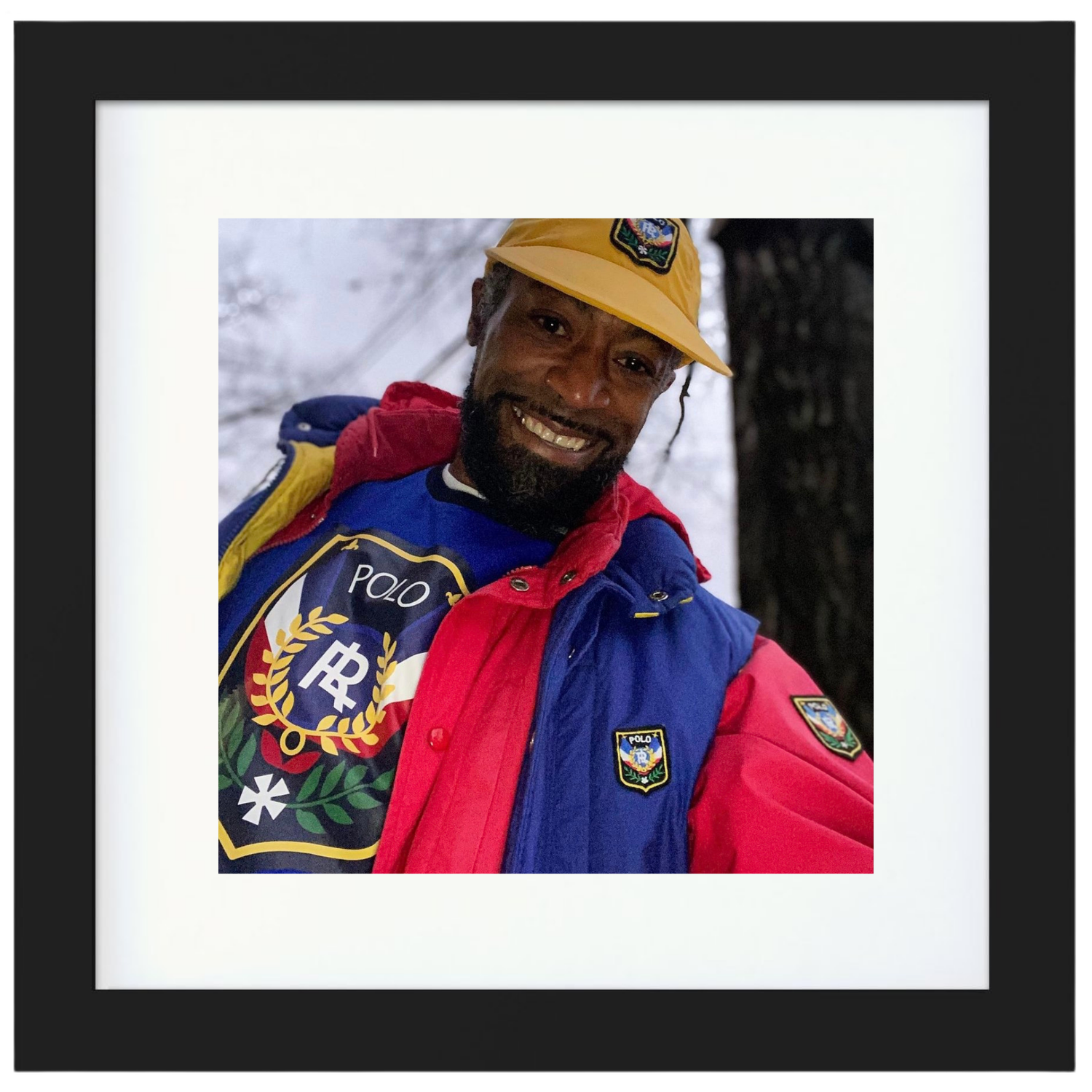
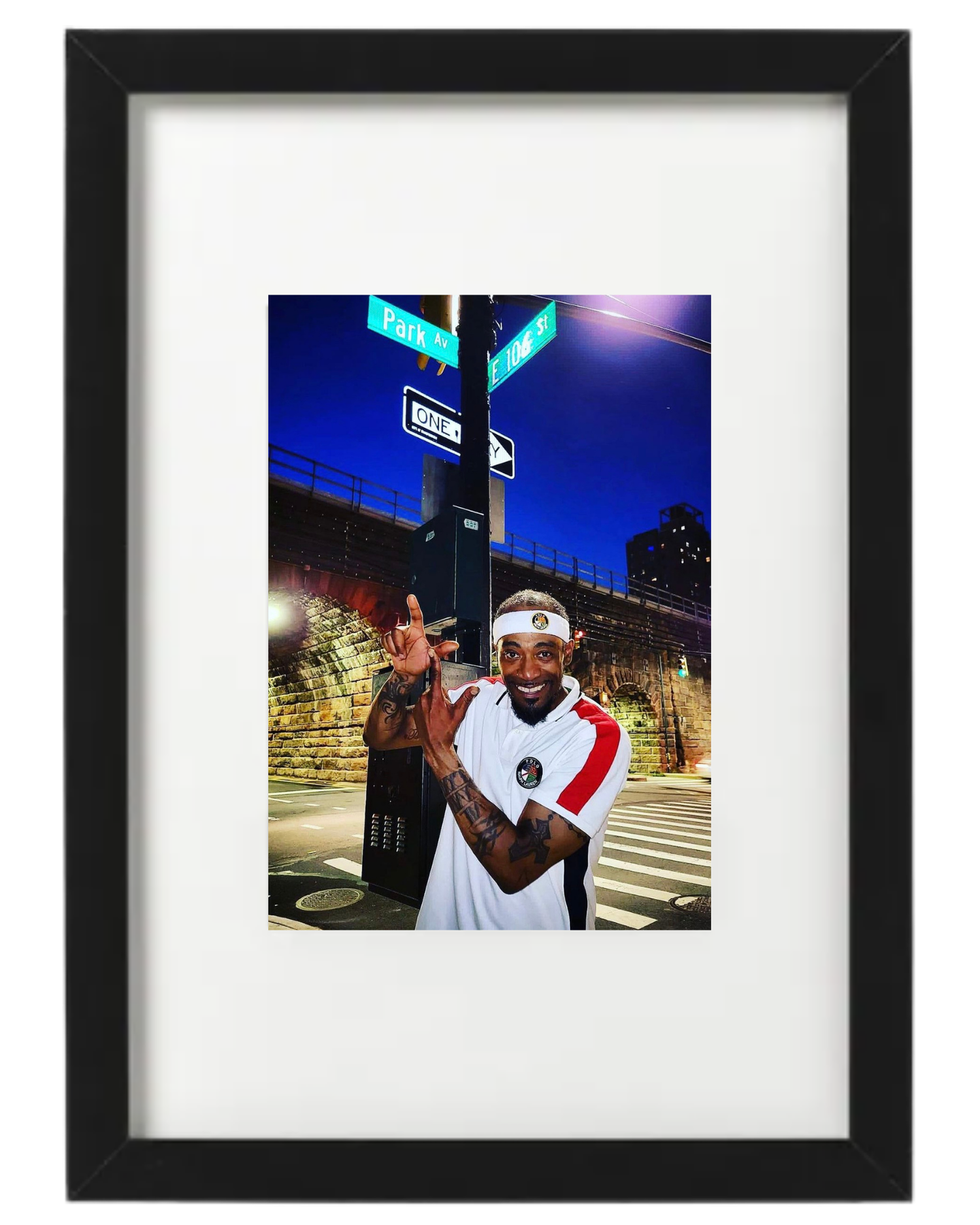
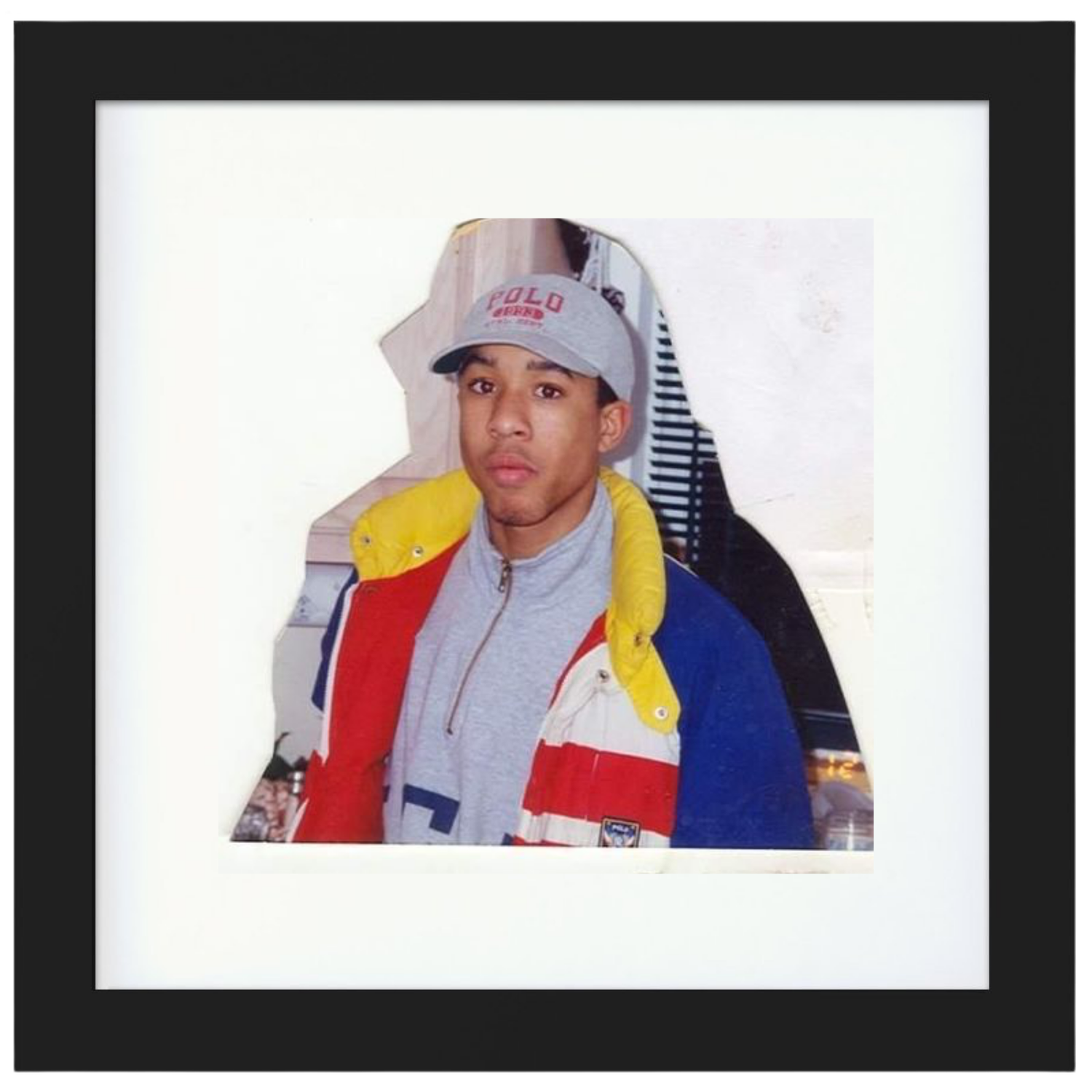
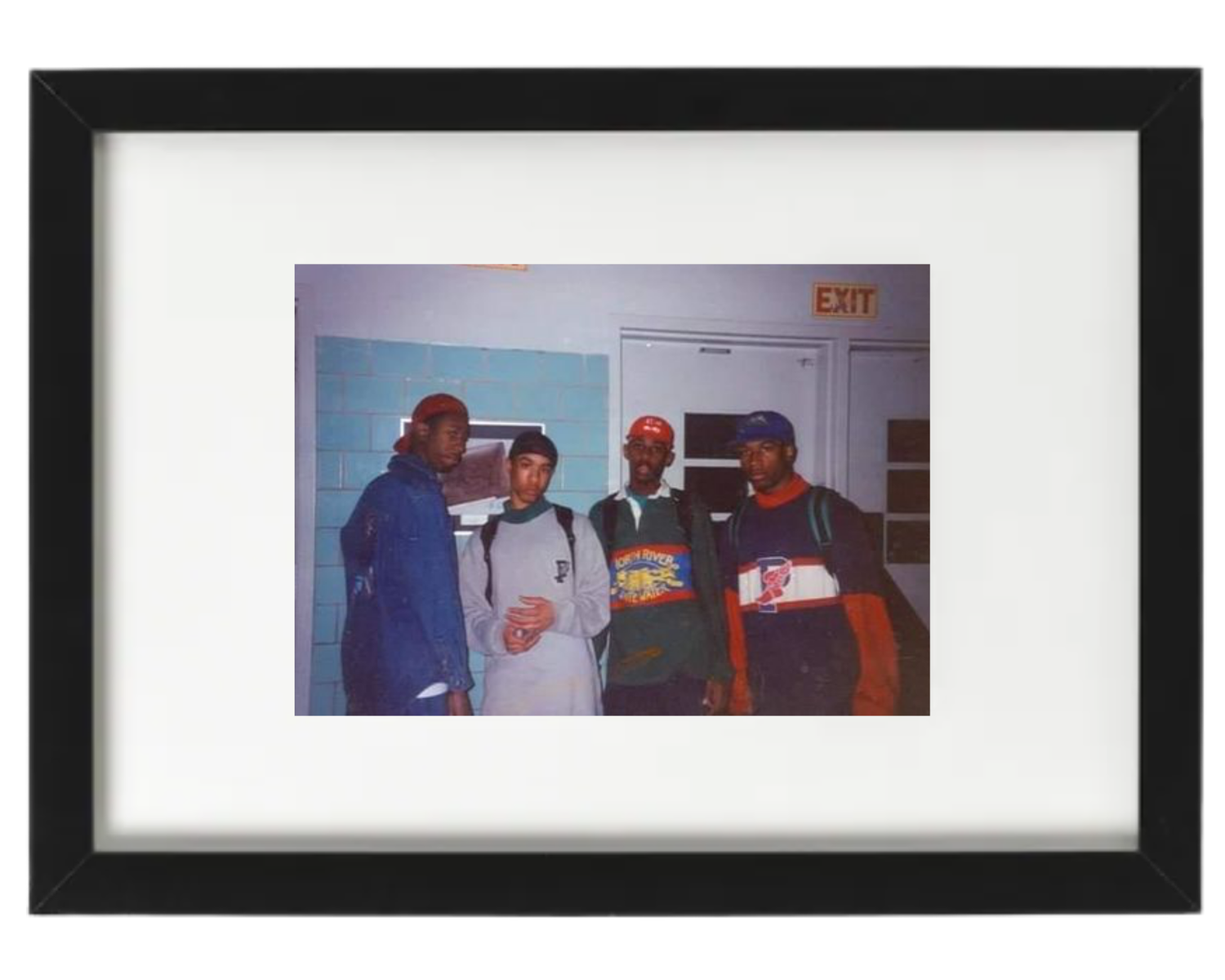
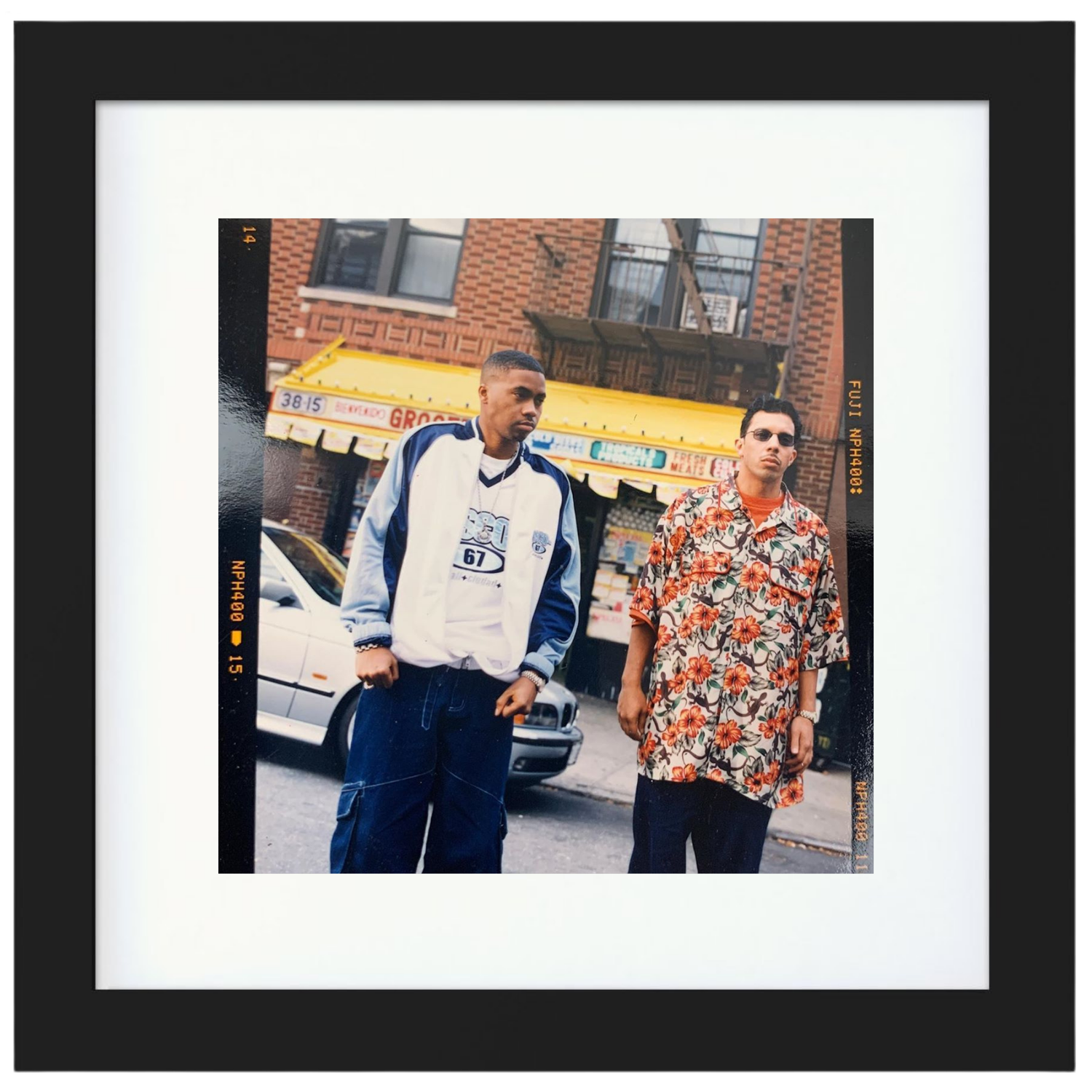
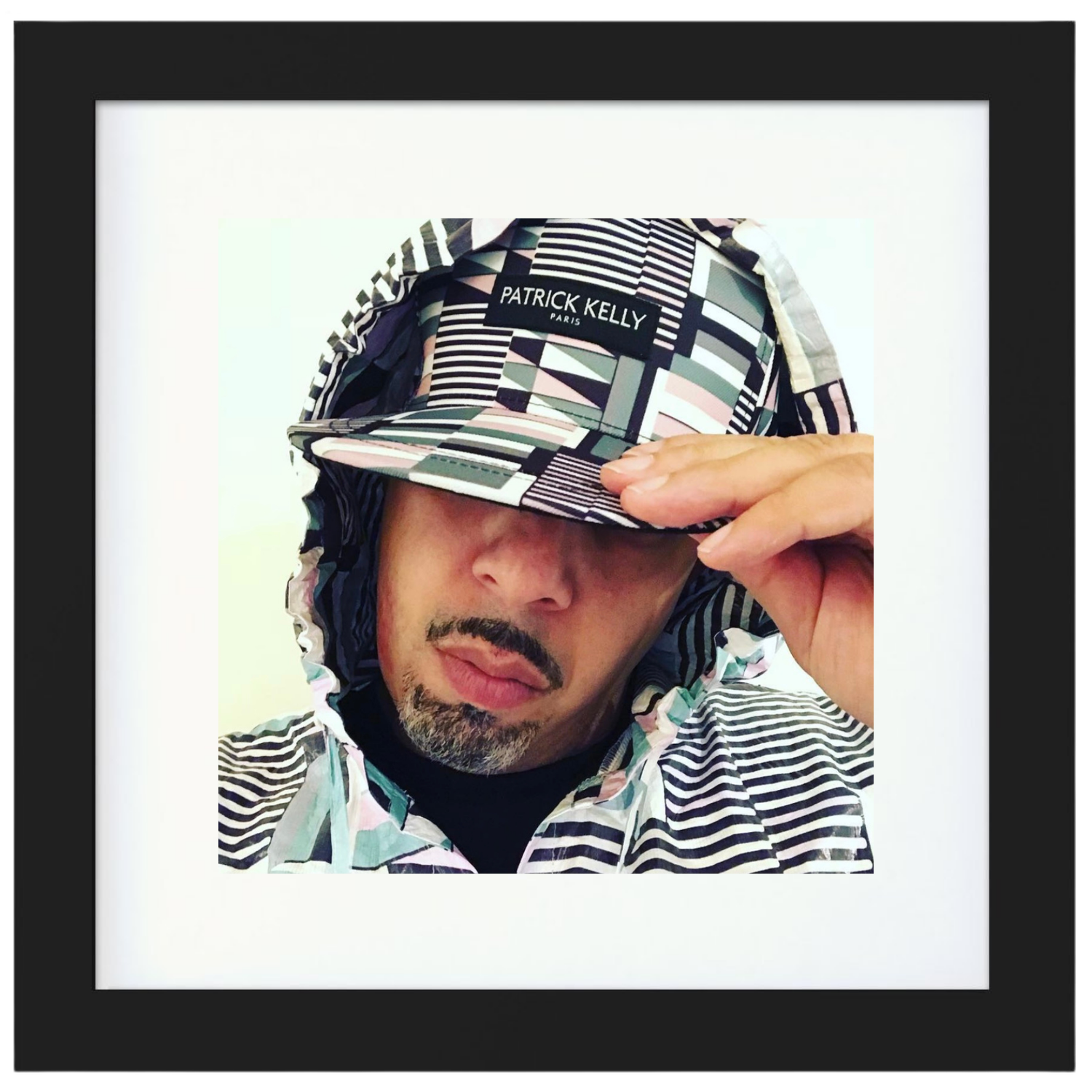
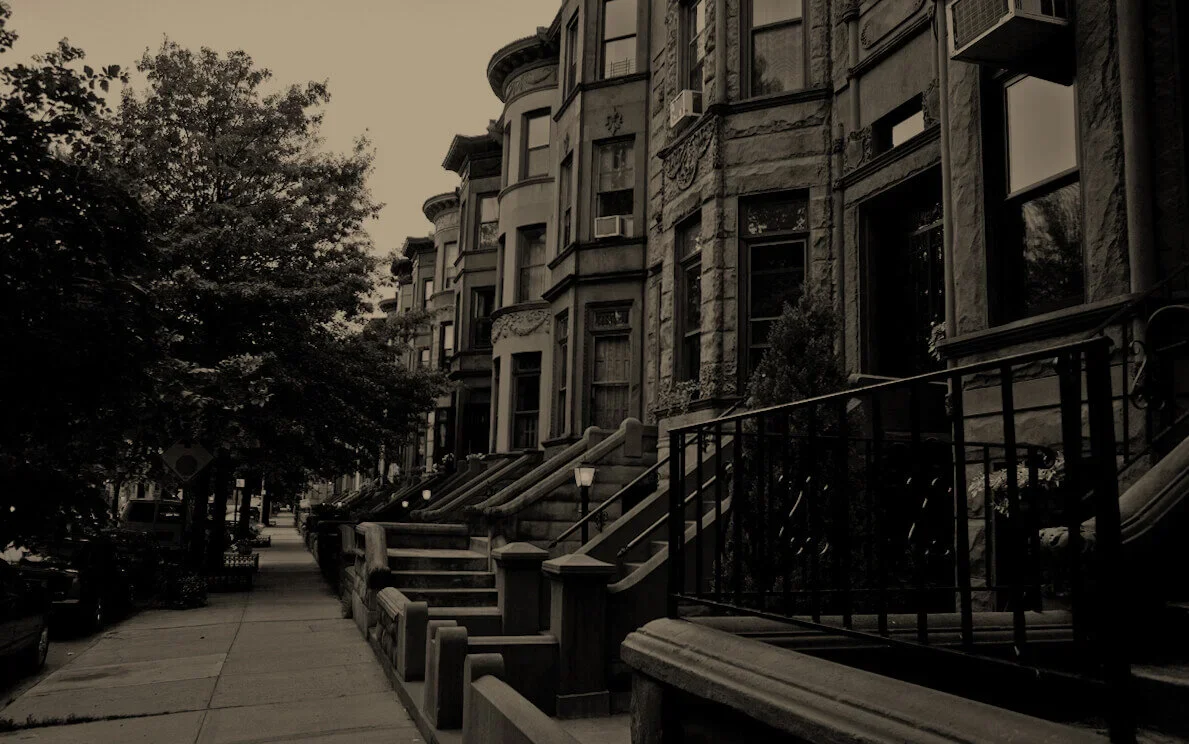
Photo Collection
Contribute to the Archive
Have photos, stories, or memorabilia from the Lo Life era? Help us keep this living collection growing.
Get in touch